Destinations
The places we explore: the Moon, Mars, ocean moons, and the rest of the solar system.
Asteroid belt
The asteroid belt is a sparse ring of rocky bodies between Mars and Jupiter, home to Ceres and Vesta and the source of most near-Earth asteroids.
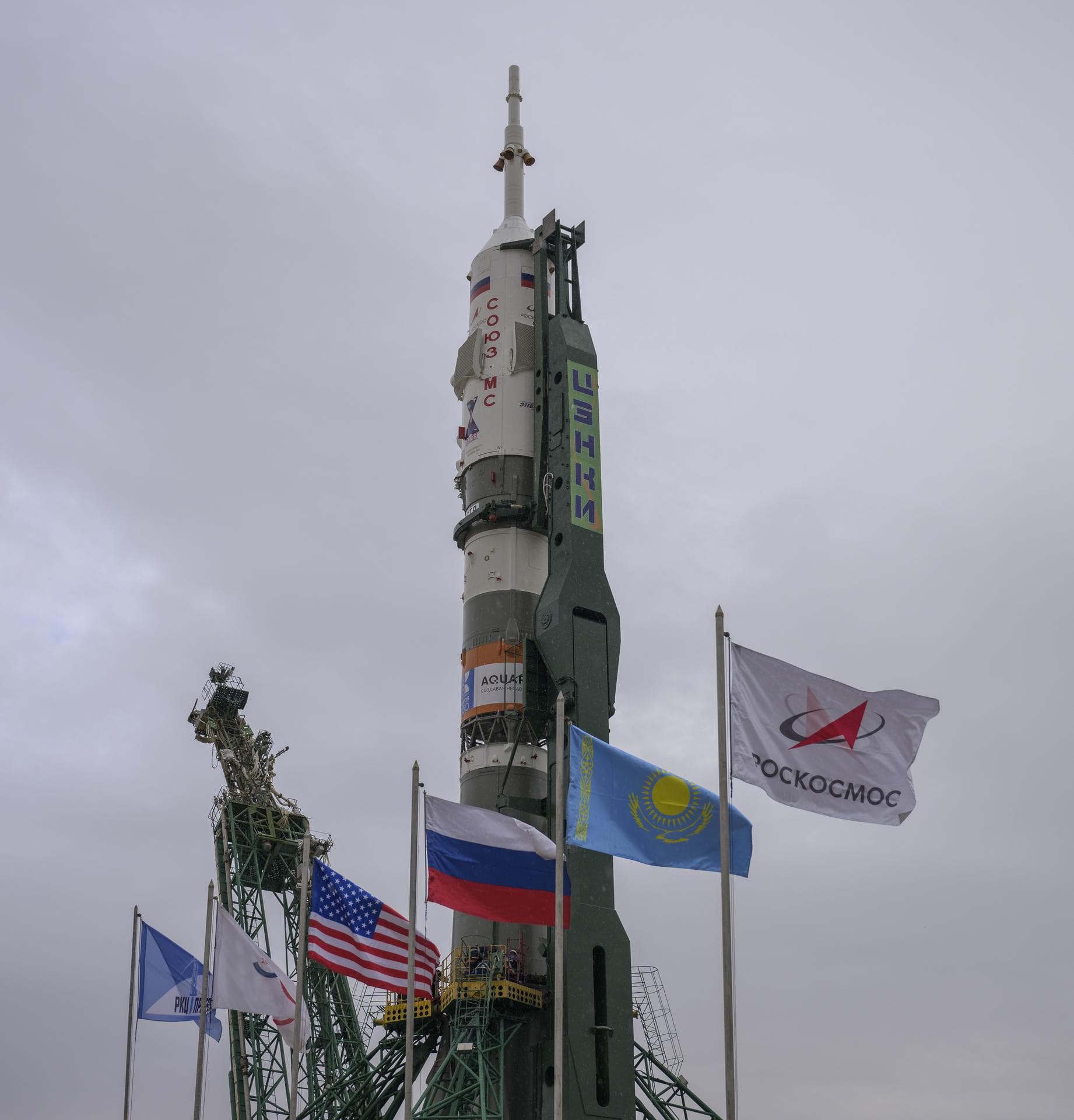
Baikonur Cosmodrome
Baikonur Cosmodrome is the world's first spaceport, launch site of Sputnik and Gagarin, leased by Russia from Kazakhstan and still flying Soyuz crews.
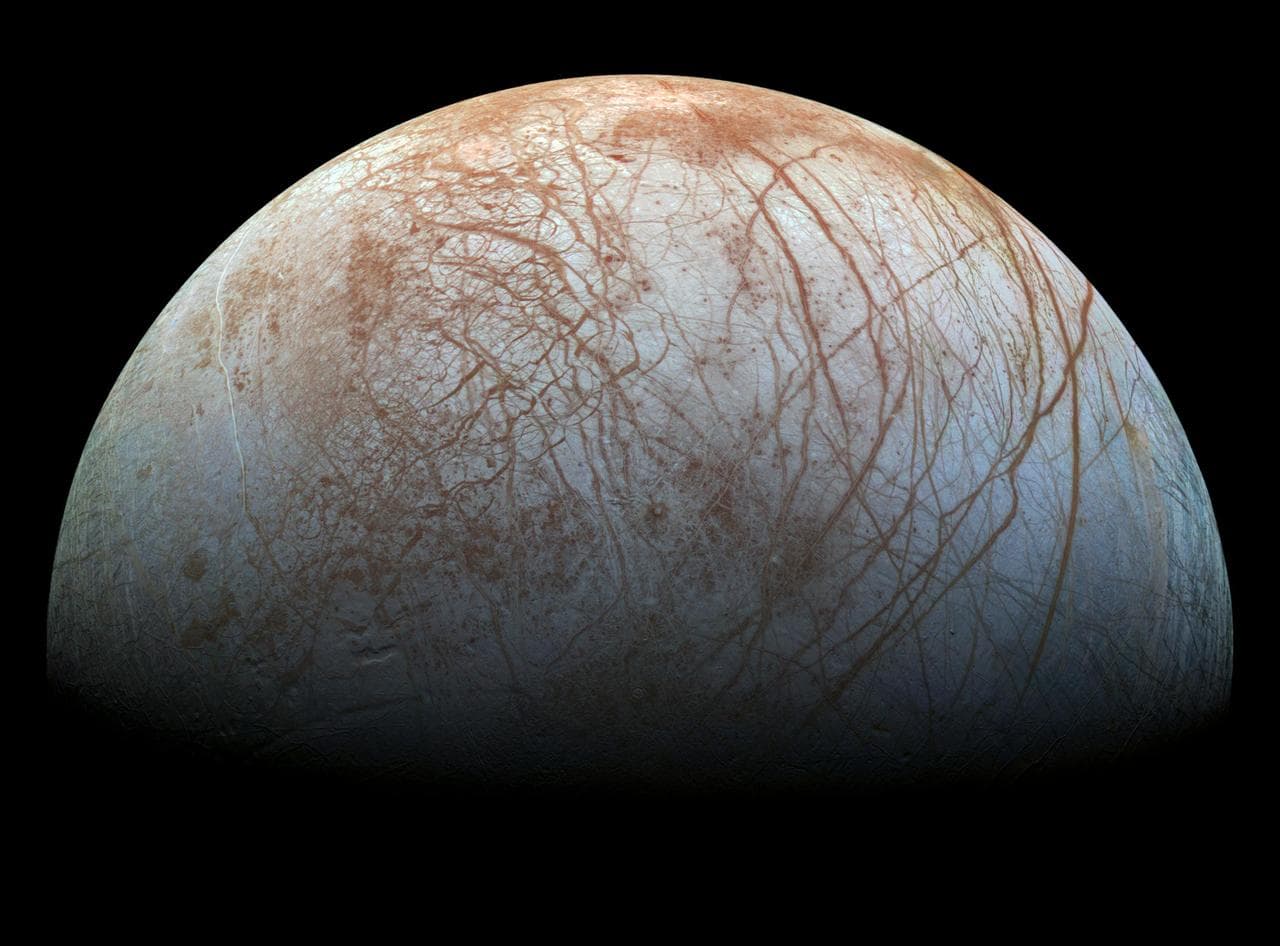
Europa
Europa is Jupiter's fourth-largest moon, an ice-covered world with a global subsurface ocean targeted by NASA's Europa Clipper and ESA's Juice missions.
Jiuquan Satellite Launch Center
Jiuquan Satellite Launch Center is China's oldest and busiest spaceport, site of the first Chinese satellite, every Shenzhou crew, and a commercial boom.
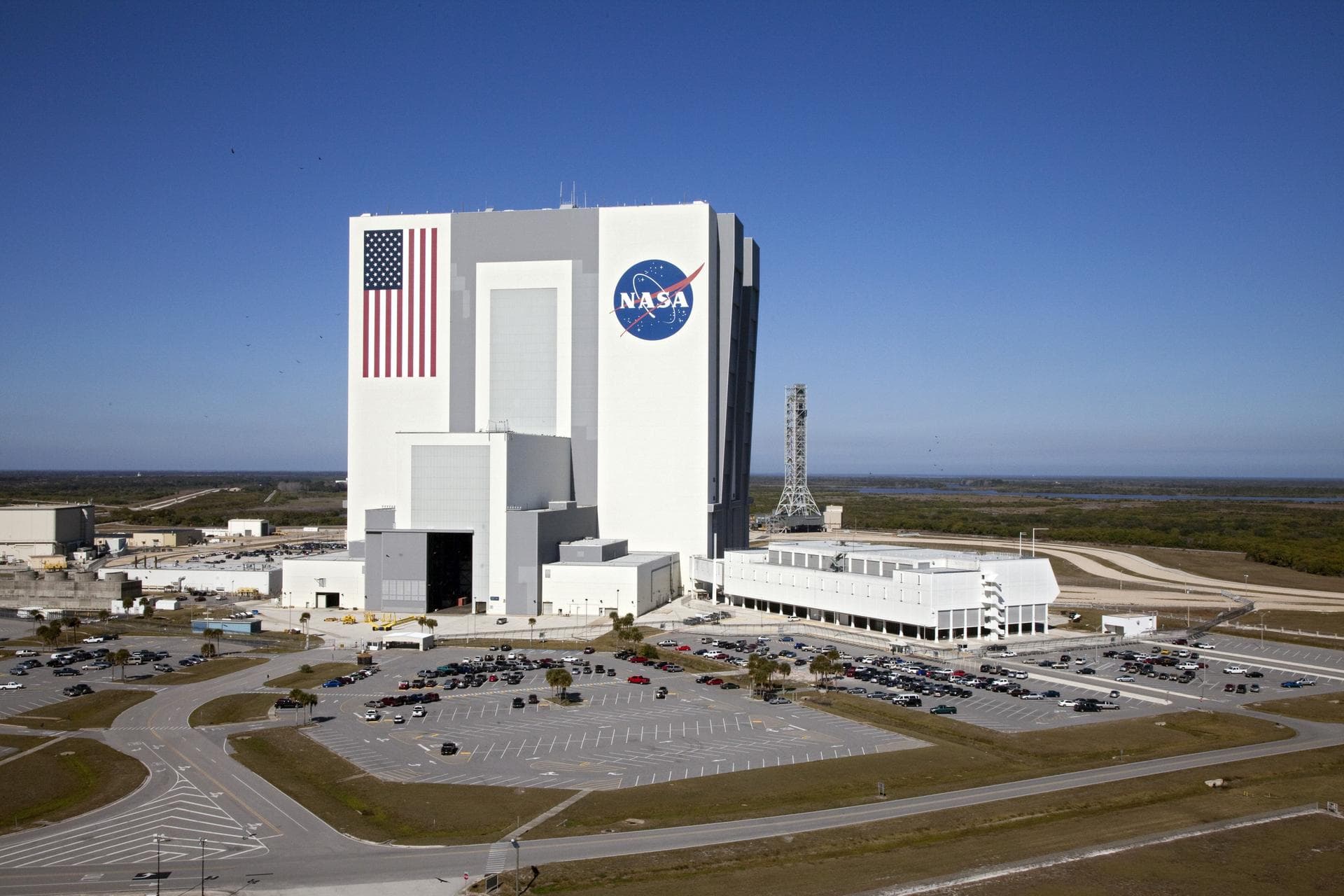
Kennedy Space Center
NASA's spaceport on Merritt Island, Florida, where Launch Complex 39 has launched every Apollo lunar crew, 135 shuttle missions, and Artemis II.
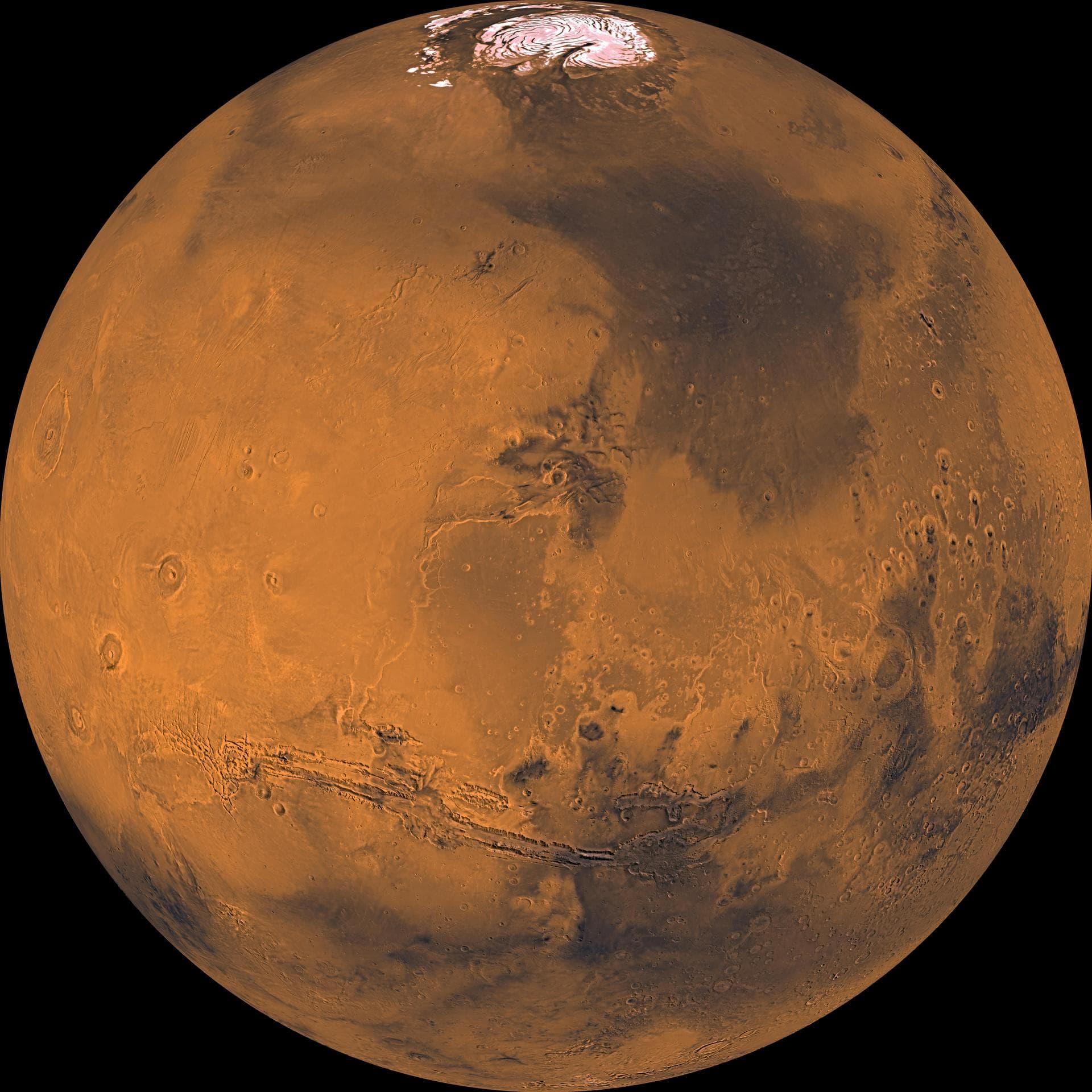
Mars
Mars is the fourth planet from the Sun, a cold desert world with evidence of ancient water, explored today by six orbiters and two active NASA rovers.
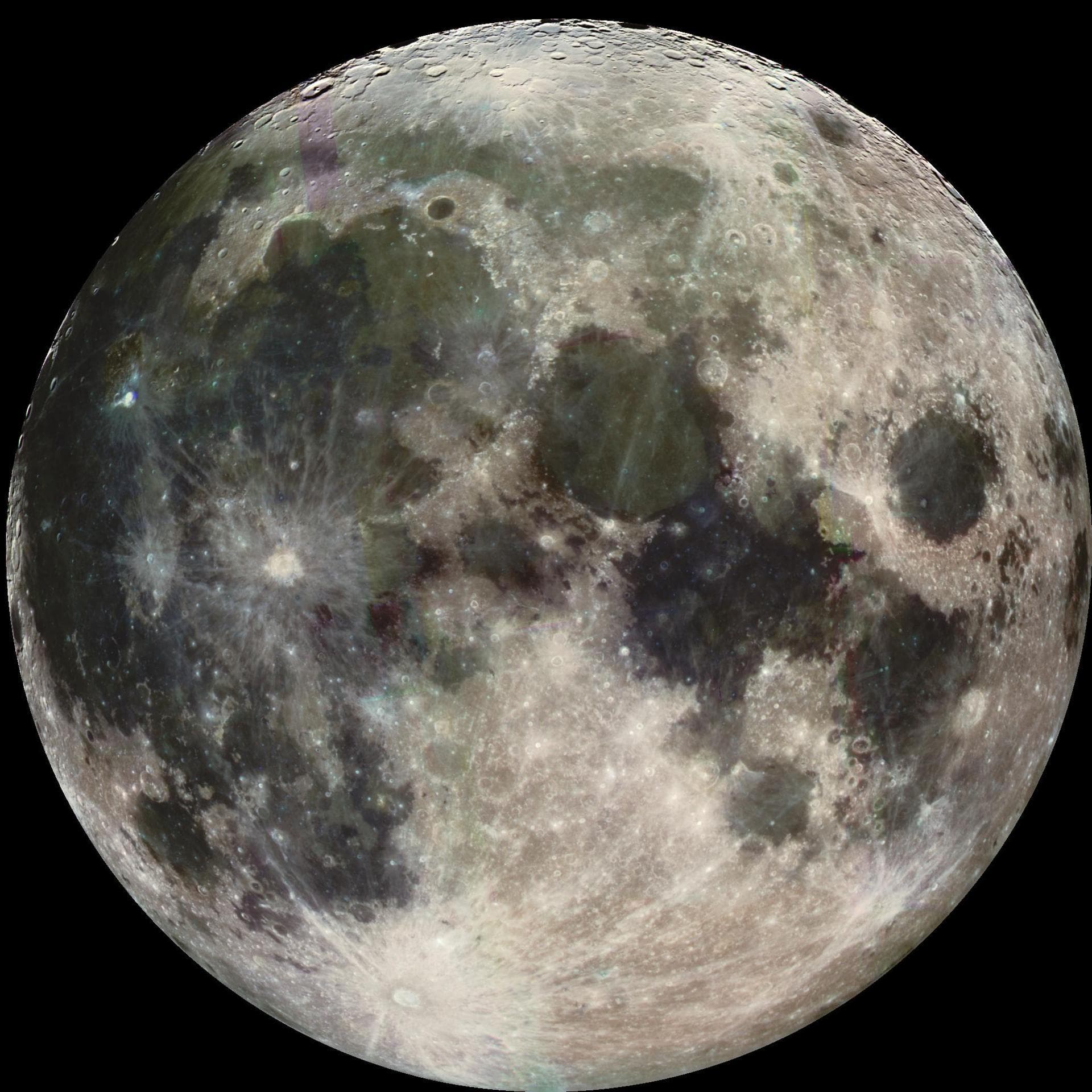
The Moon
The Moon is Earth's only natural satellite, shaped by a giant impact 4.5 billion years ago and now the focus of renewed crewed and robotic exploration.
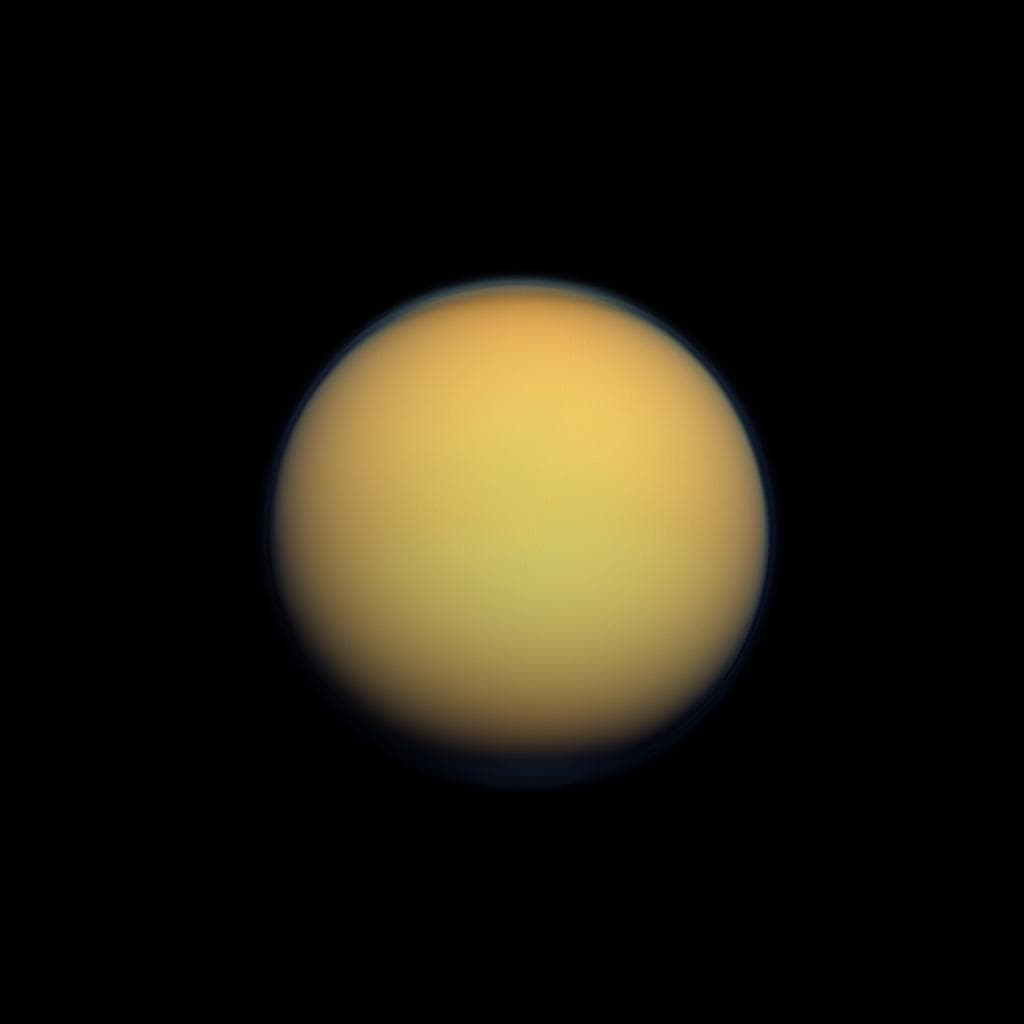
Titan
Titan is Saturn's largest moon, with a thick nitrogen atmosphere, methane seas, organic dunes, a disputed interior ocean, and NASA's Dragonfly mission ahead.
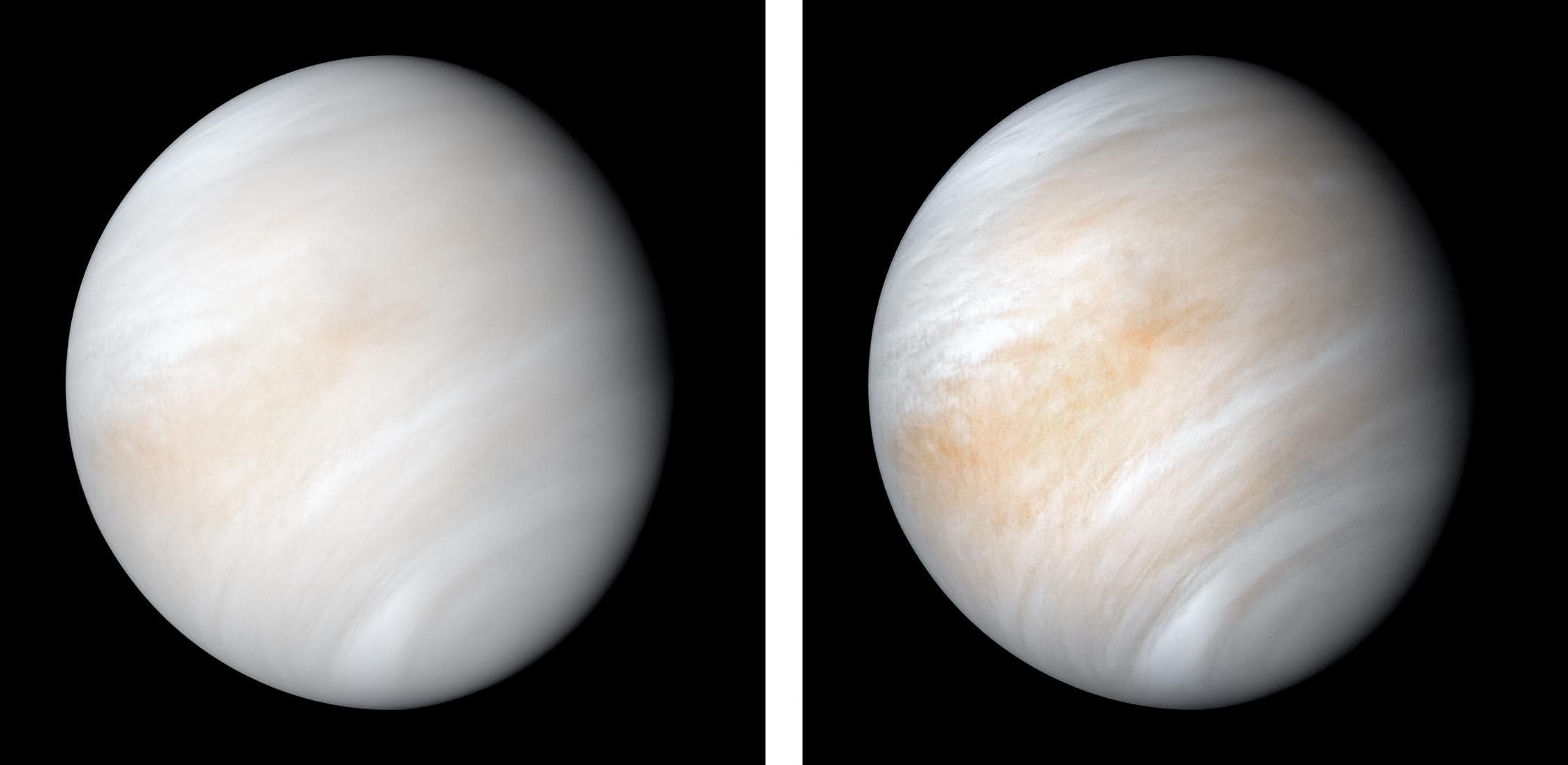
Venus
Venus is the second planet from the Sun, a runaway greenhouse world hot enough to melt lead, explored by Soviet landers and targeted by new missions.
Wenchang Space Launch Site
China's coastal Wenchang spaceport on Hainan launches space station modules, lunar and Mars missions, and hosts the country's first commercial launch site.