Missions & Programs
Crewed programs, robotic explorers, telescopes, and the stations that keep people living in orbit.
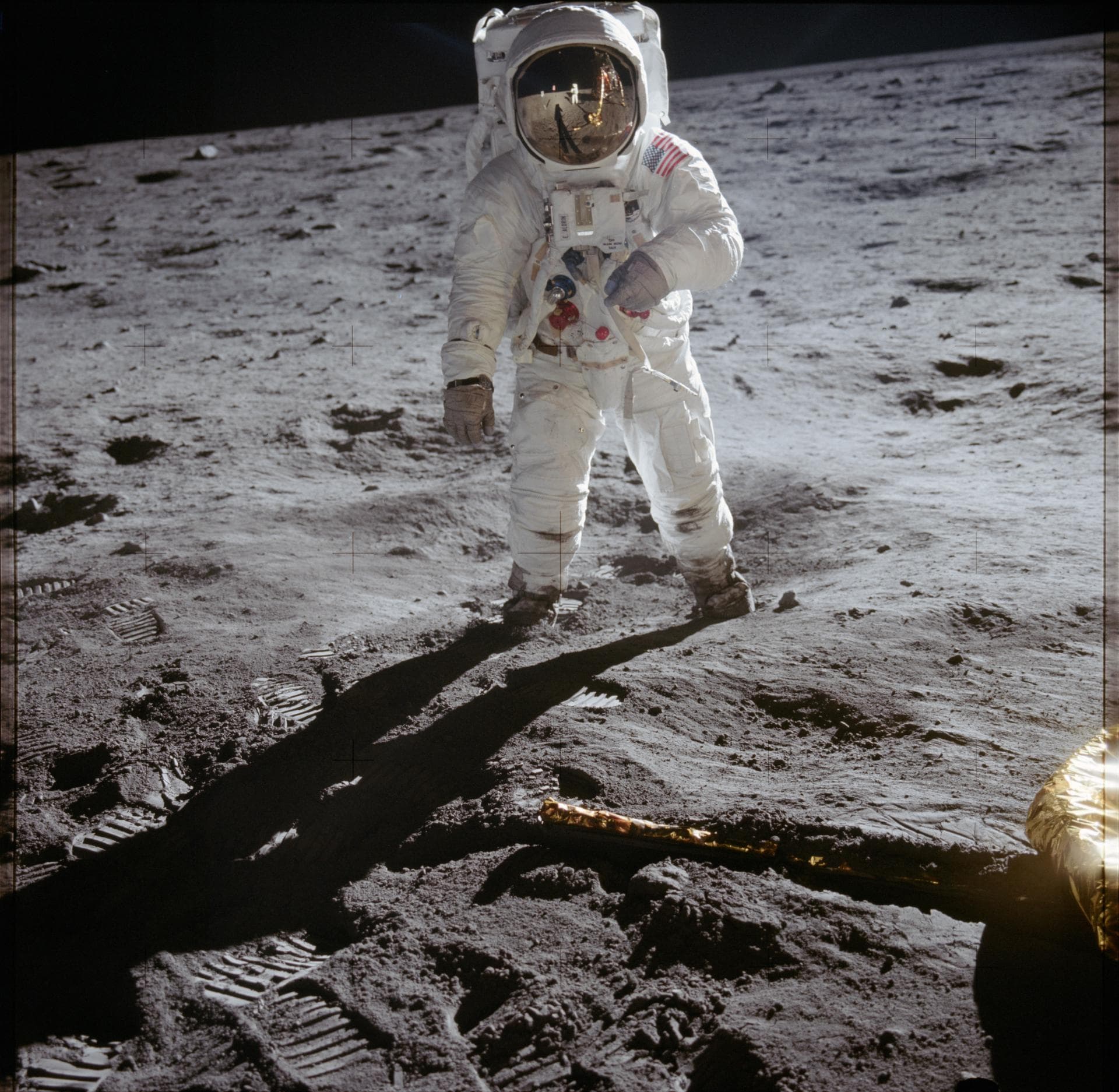
Apollo 11
Apollo 11 was the first crewed Moon landing. Neil Armstrong and Buzz Aldrin walked at Tranquility Base on July 20, 1969, while Michael Collins orbited above.
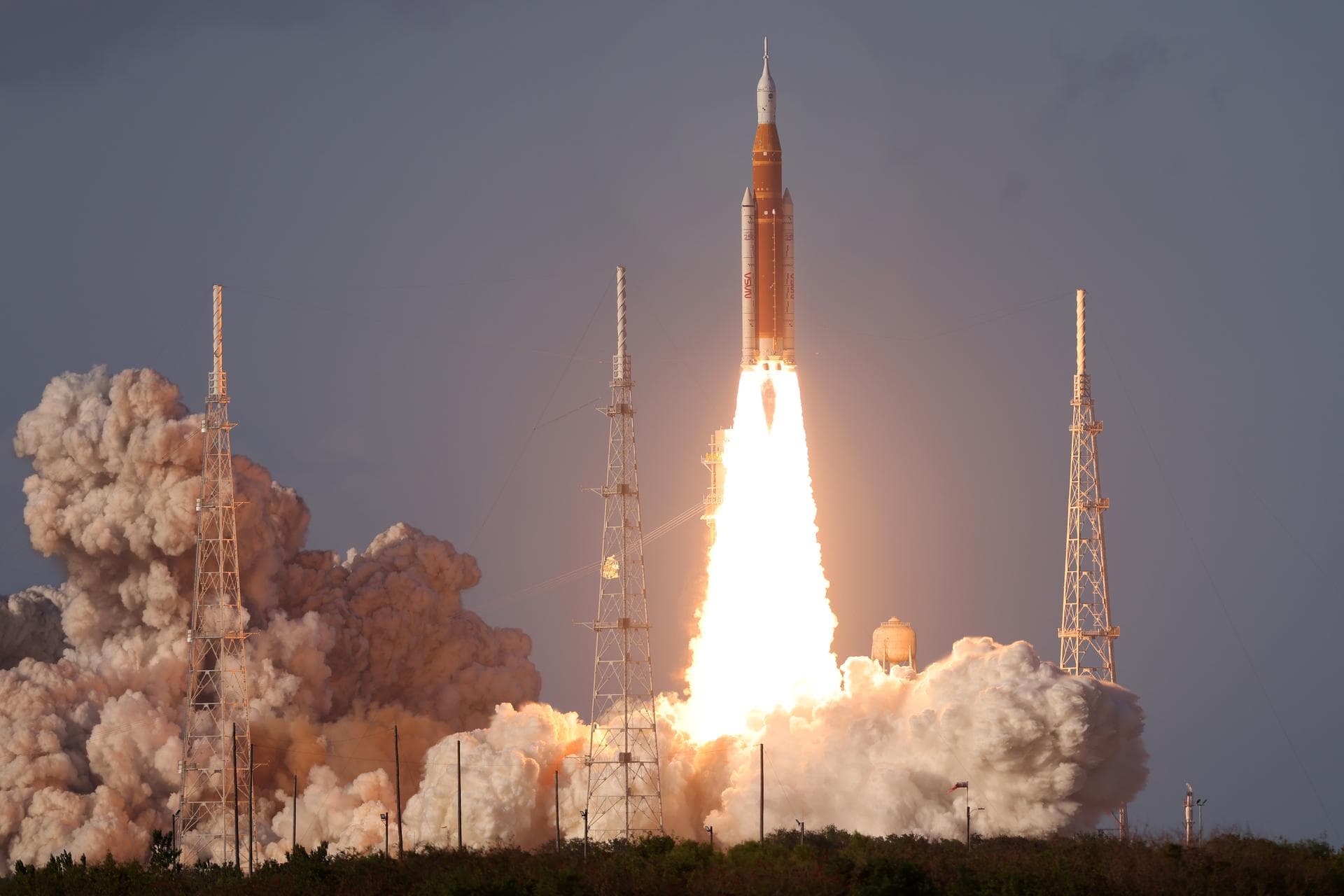
Artemis Program
Artemis is NASA's Moon-to-Mars campaign. Artemis II flew around the Moon in 2026; Artemis III will test landers before a planned 2028 landing.
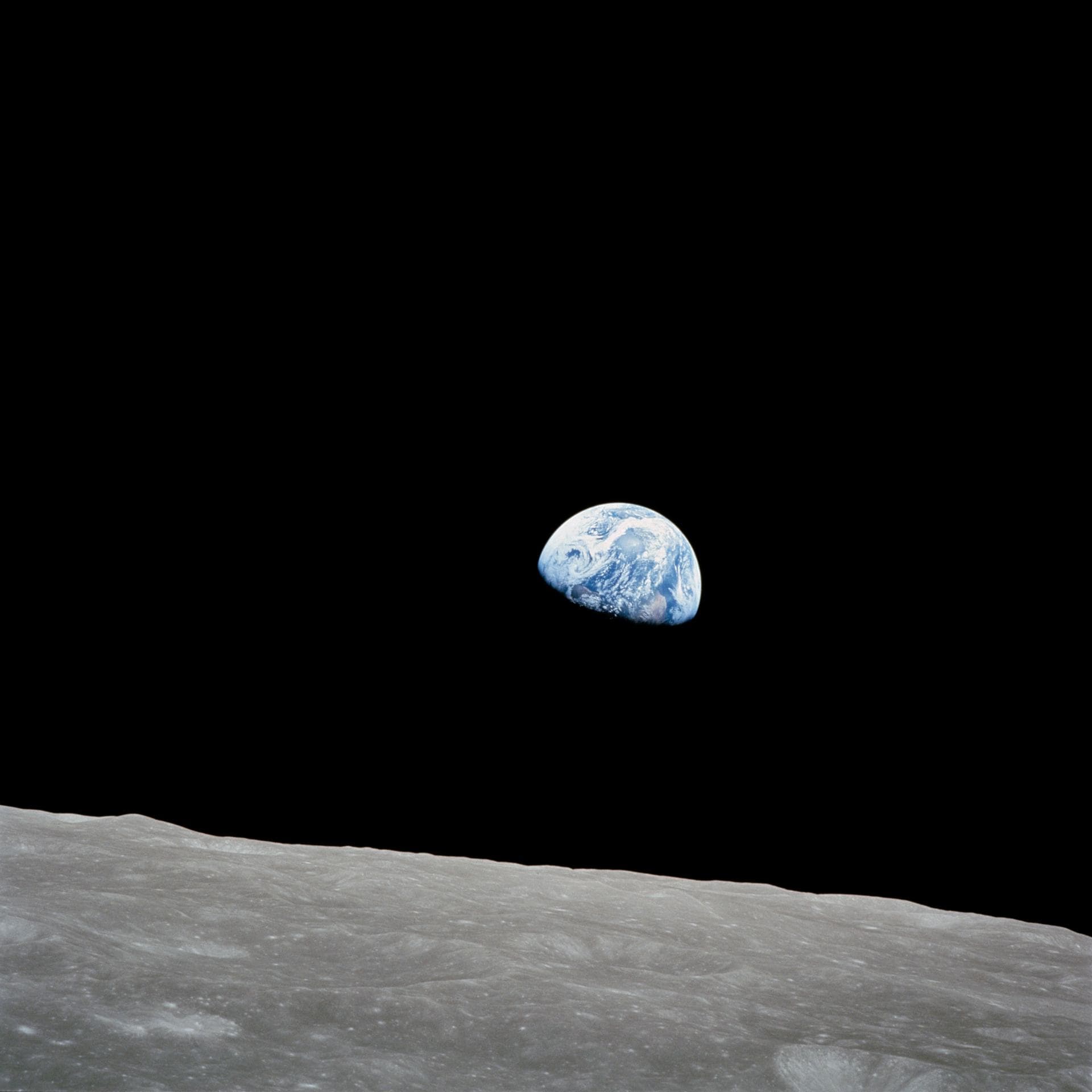
Apollo program
NASA's Apollo program landed 12 astronauts on the Moon across six missions from 1969 to 1972, returning 382 kg of lunar samples at a cost of $25.8 billion.
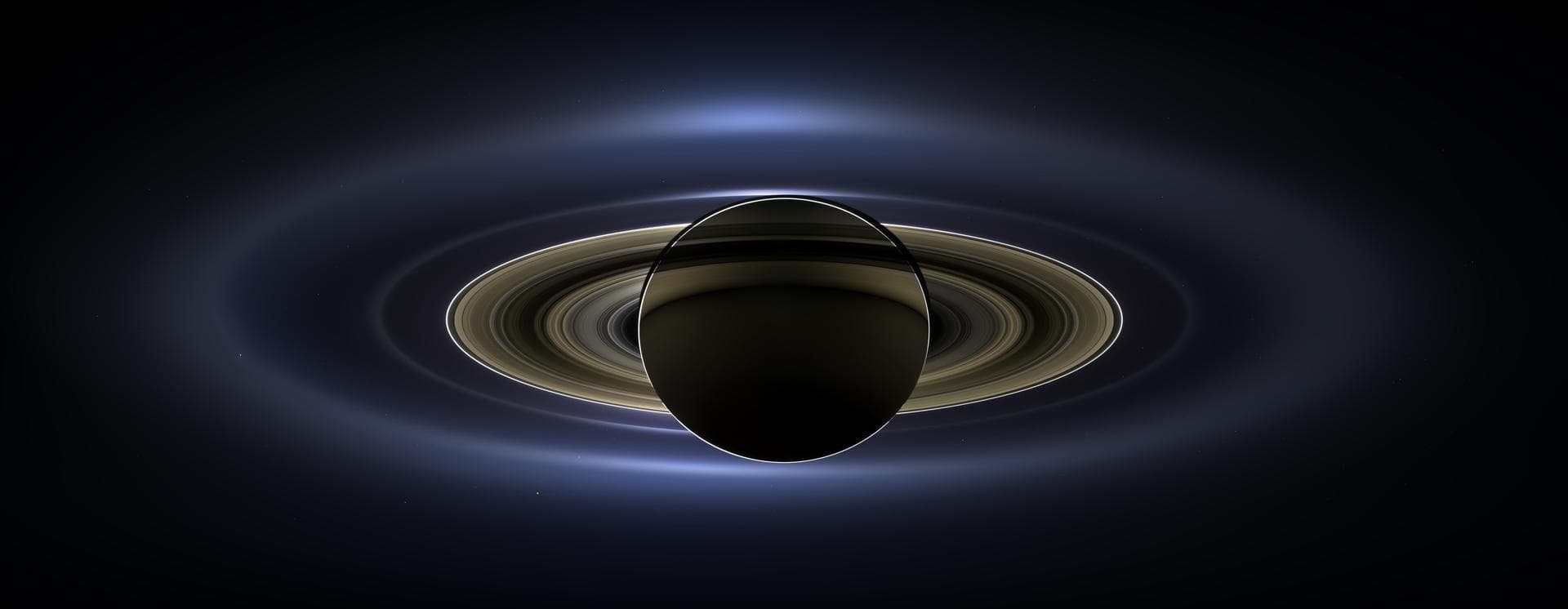
Cassini-Huygens
Cassini-Huygens orbited Saturn from 2004 to 2017, landed the Huygens probe on Titan in 2005, discovered Enceladus plumes, and ended with the Grand Finale.
Chang'e 7
China's Chang'e 7 mission sends an orbiter, lander, rover, and hopping probe to hunt for water ice near Shackleton crater at the Moon's south pole.
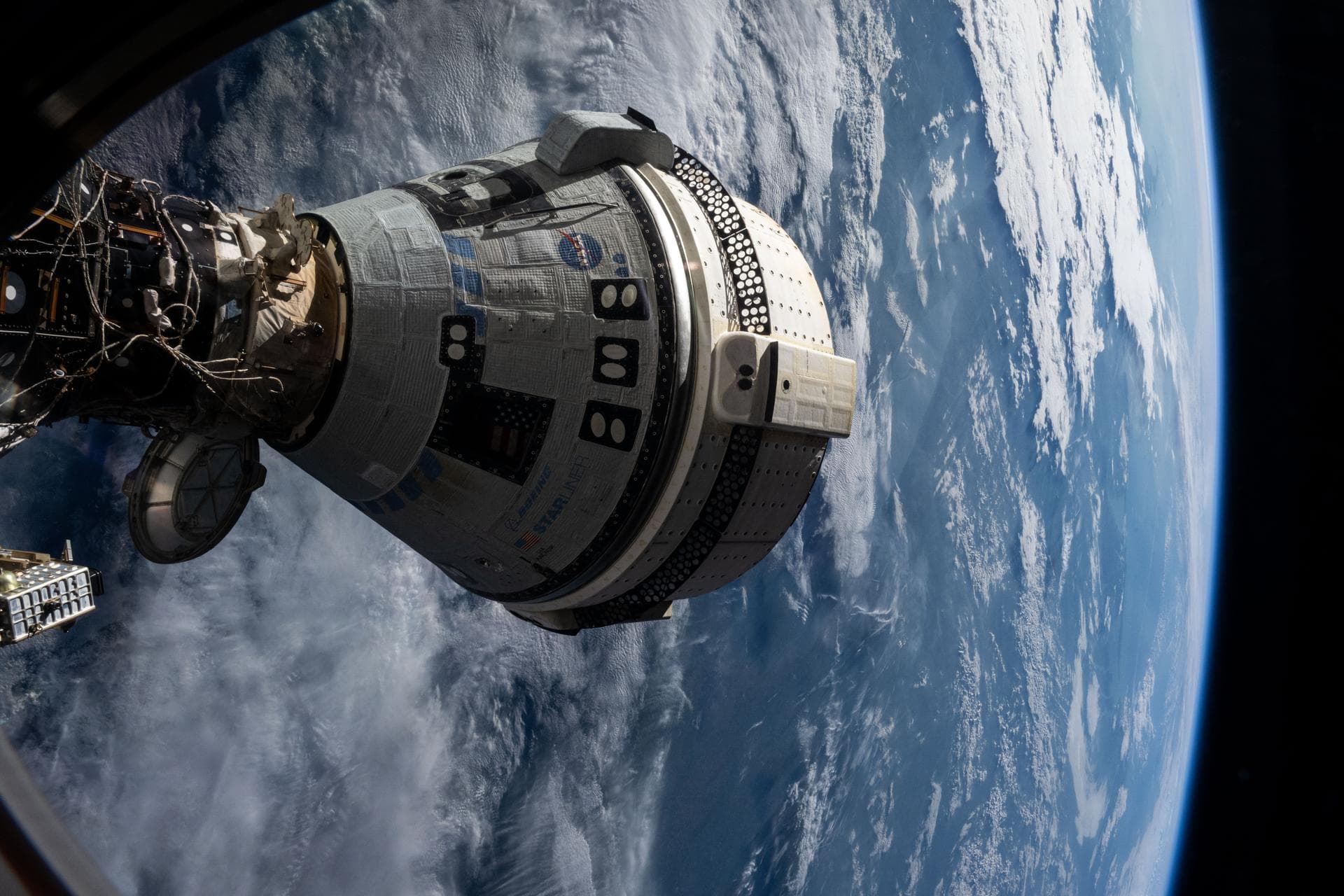
Commercial Crew Program
NASA's Commercial Crew Program buys ISS astronaut flights from SpaceX and Boeing. Crew Dragon is operational; Starliner remains uncertified.
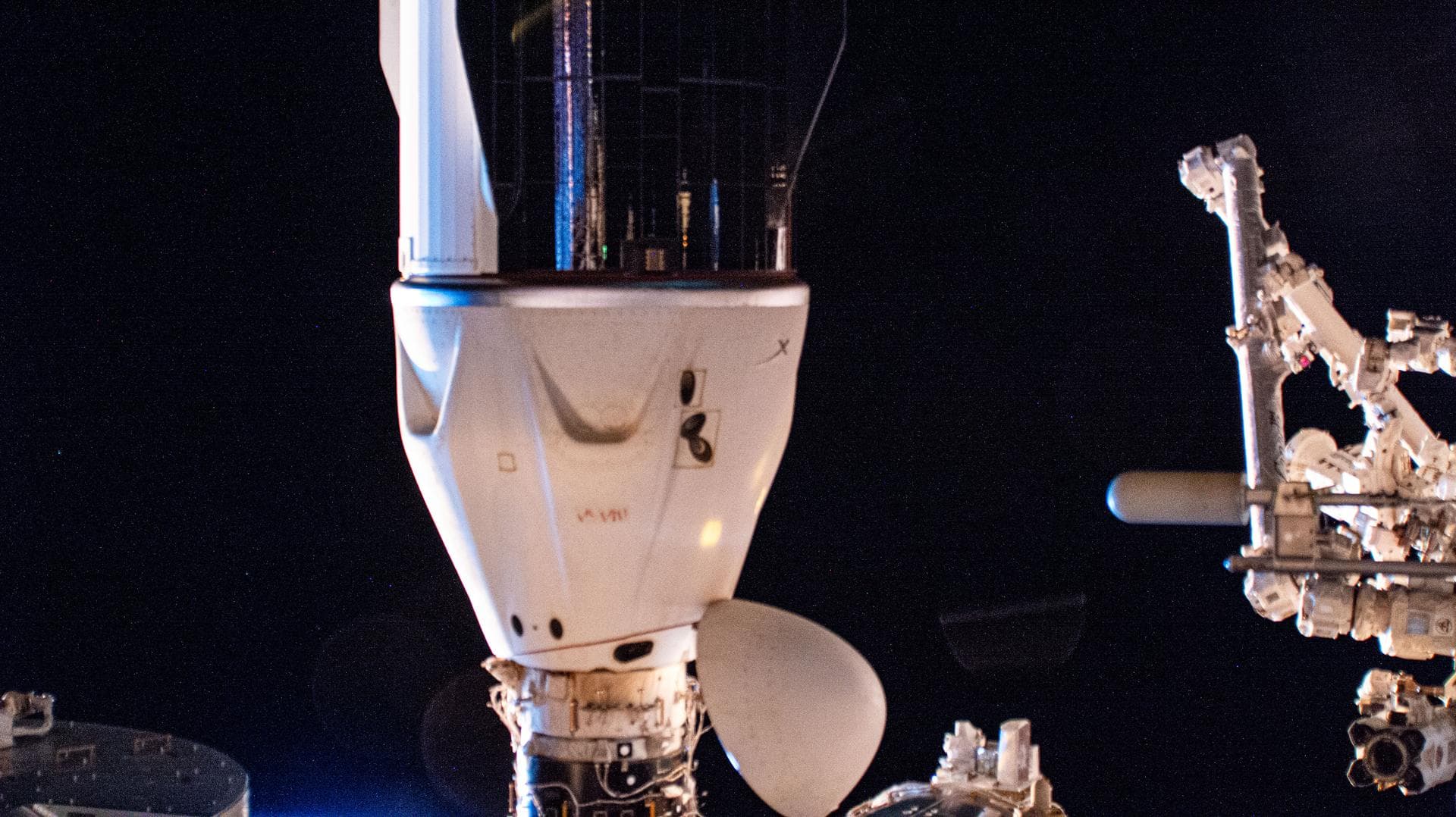
Crew Dragon
SpaceX's Crew Dragon is the only certified US crew spacecraft, with 20 crewed flights since 2020 on a reusable five-capsule fleet launched by Falcon 9.
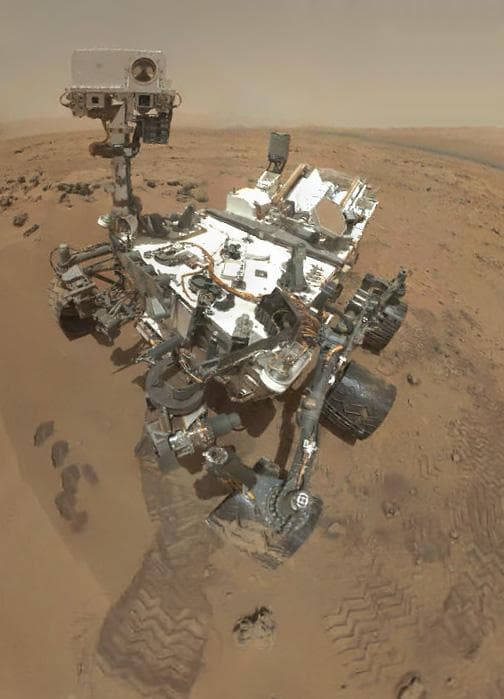
Curiosity (rover)
NASA's Curiosity rover landed in Gale Crater in August 2012 and is still climbing Mount Sharp, with finds from ancient lakebeds to large organic molecules.
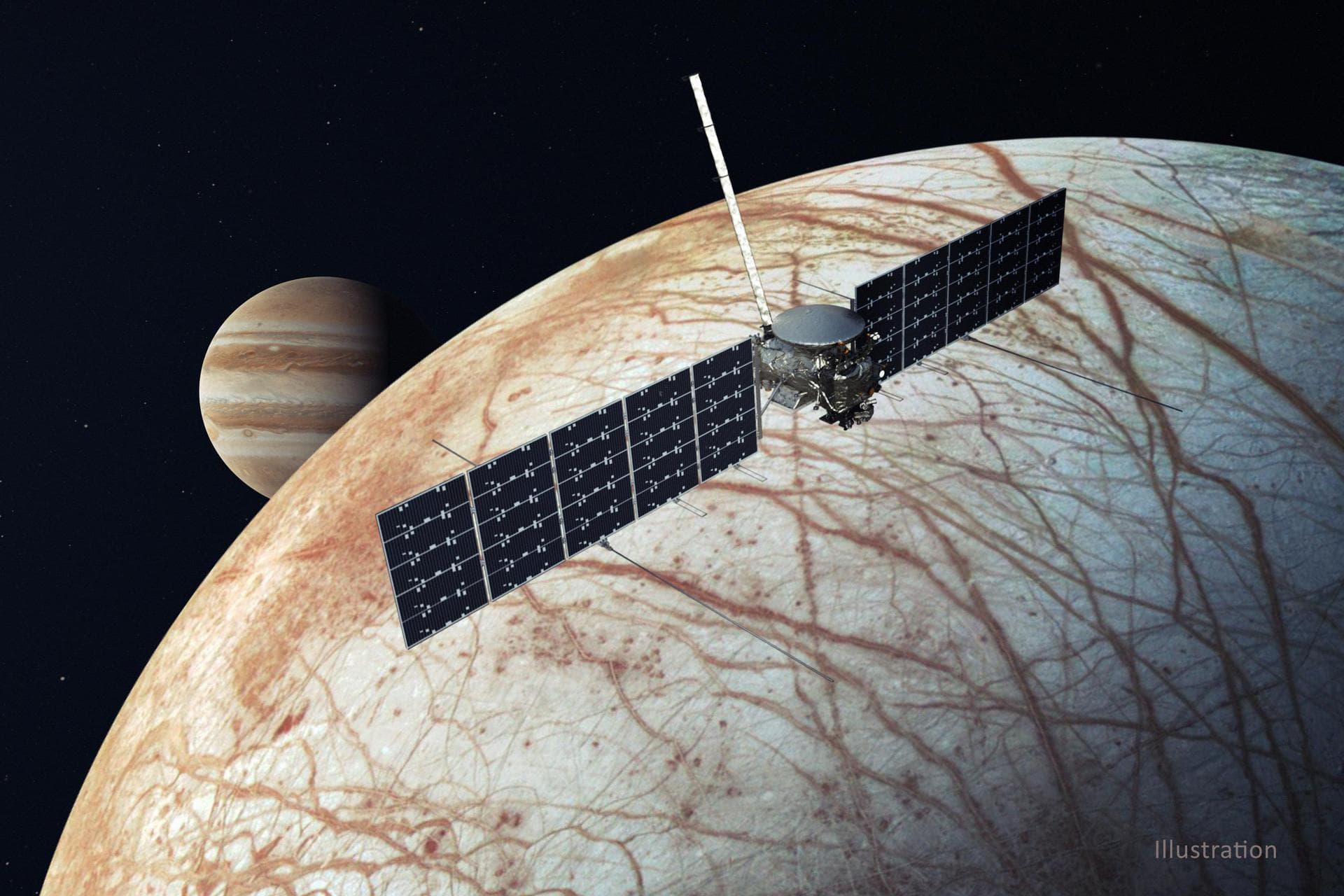
Europa Clipper
Europa Clipper, NASA's largest planetary spacecraft, launched on a Falcon Heavy in October 2024 and will survey Jupiter's moon Europa with 49 flybys from 2031.
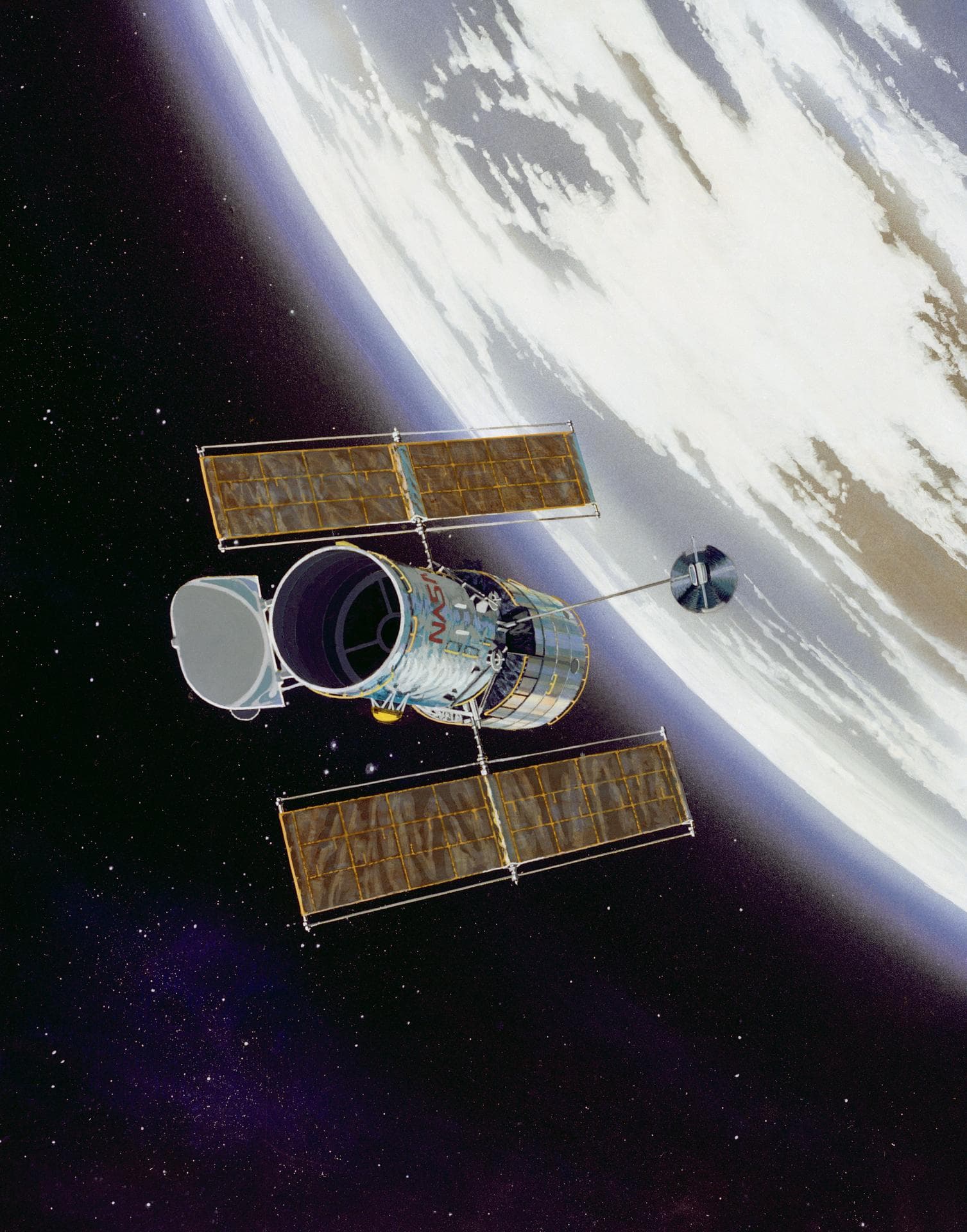
Hubble Space Telescope
The Hubble Space Telescope, launched April 24, 1990, has made more than 1.7 million observations and still operates in one-gyroscope mode after 36 years.
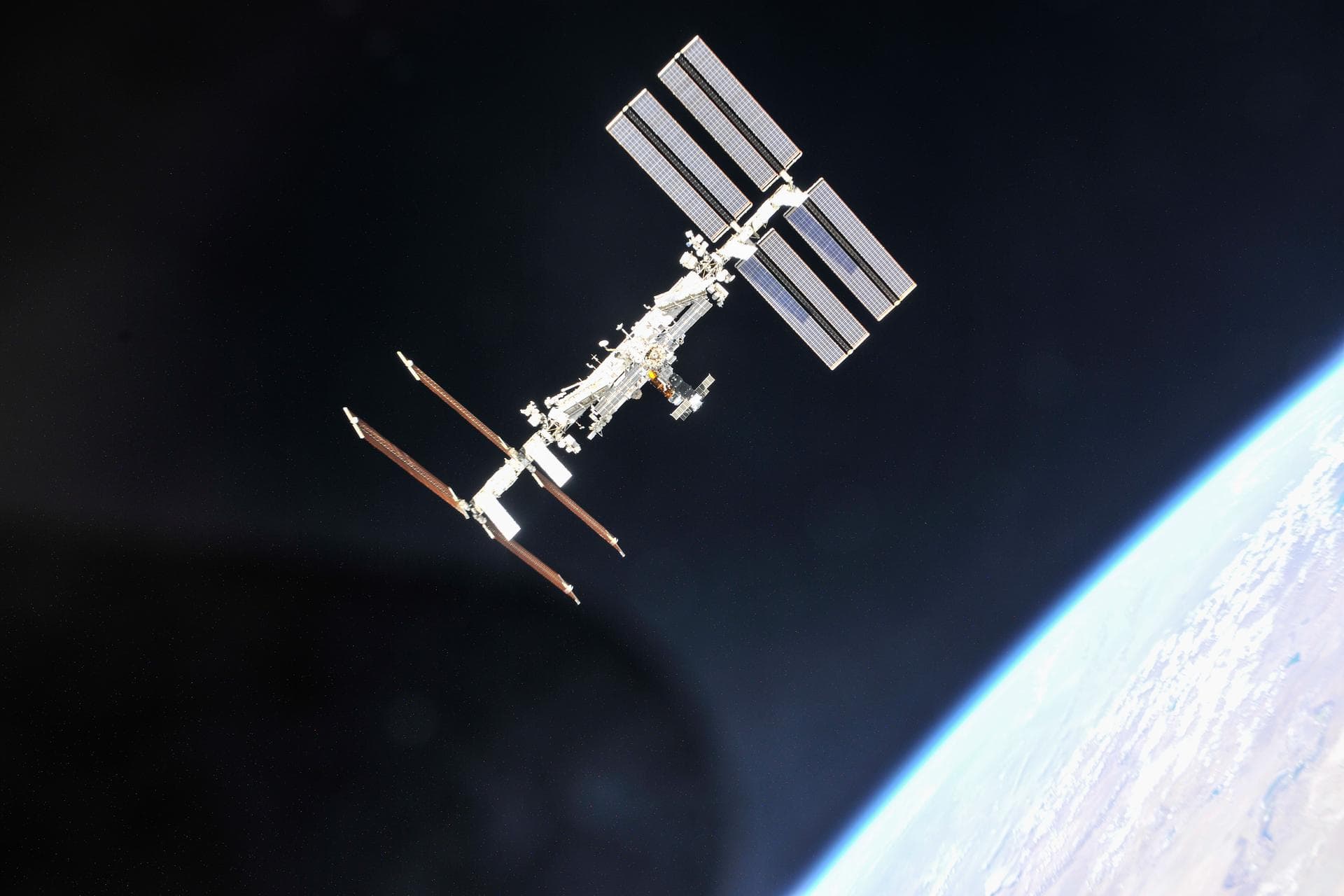
International Space Station
The International Space Station is a five-agency orbital laboratory, continuously occupied since 2000, with a controlled deorbit planned after 2030.
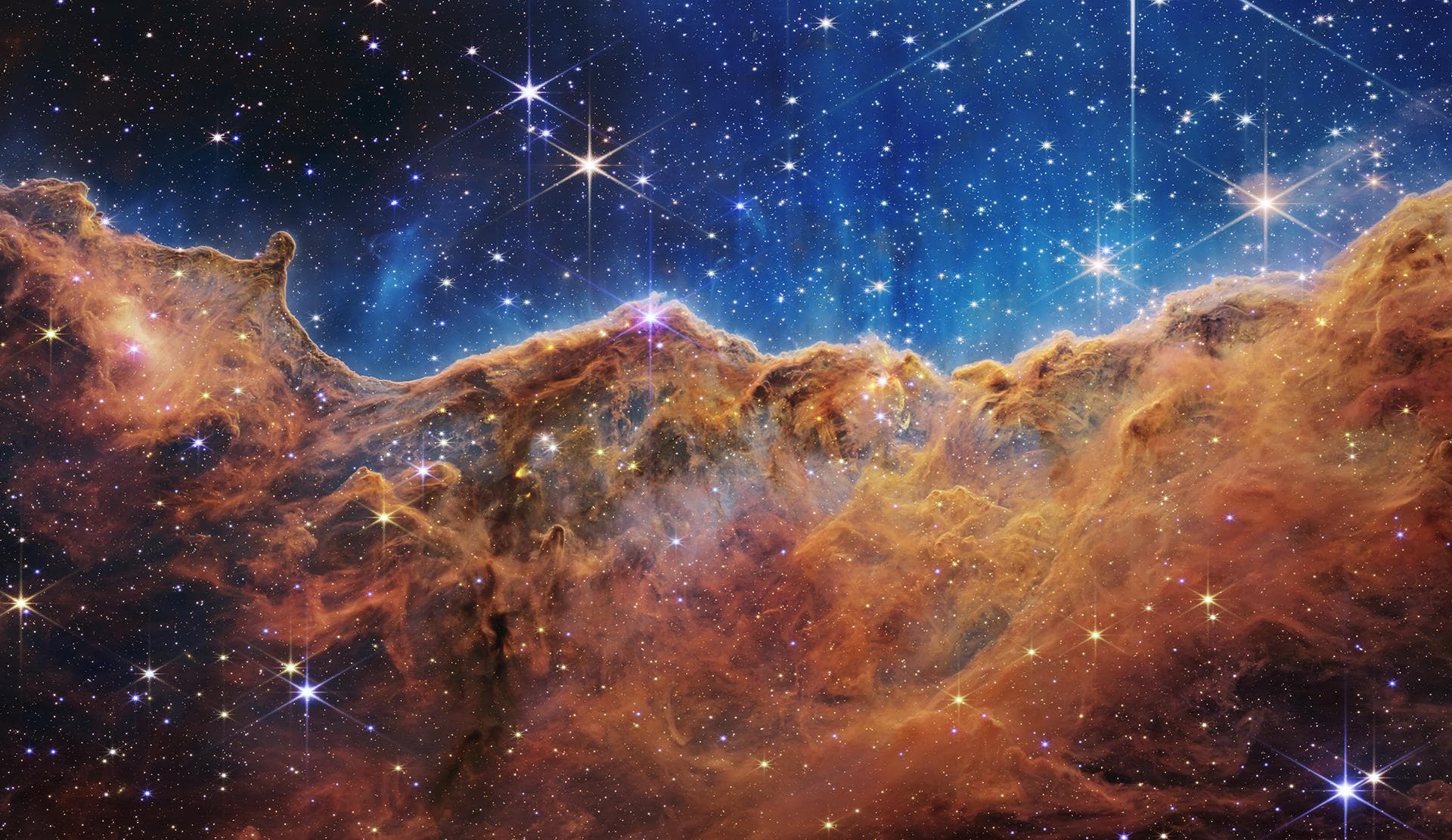
James Webb Space Telescope
The James Webb Space Telescope is a 6.5-meter infrared observatory launched December 25, 2021. It observes the earliest galaxies and exoplanet atmospheres.
New Horizons
New Horizons made the first Pluto flyby in July 2015 and the most distant flyby ever at Arrokoth in 2019; it now studies the Kuiper Belt beyond 65 AU.
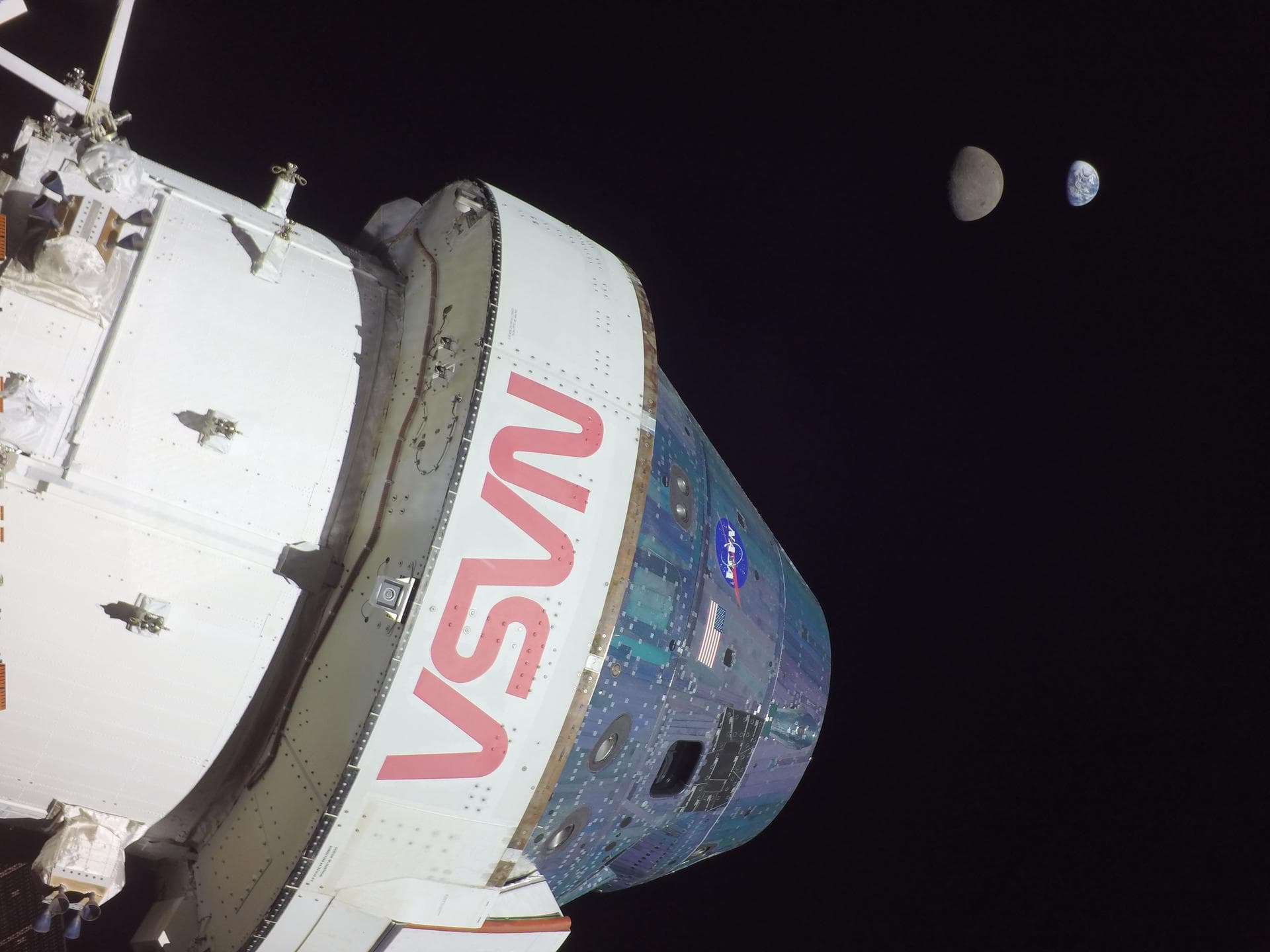
Orion
Orion is NASA's deep space crew capsule for Artemis. It flew uncrewed in 2014 and 2022, then carried the Artemis II crew around the Moon in April 2026.
Perseverance (rover)
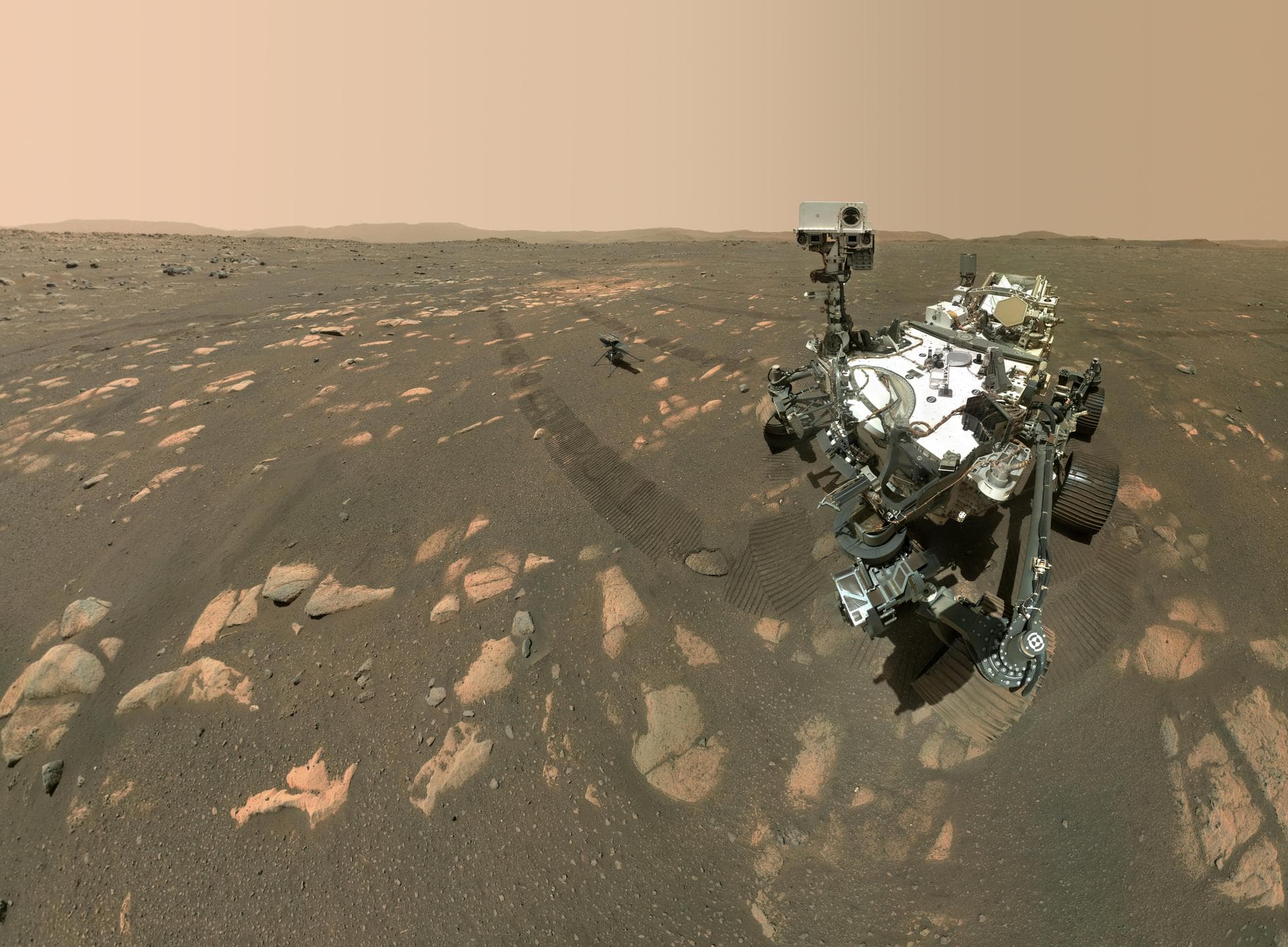
NASA's Perseverance rover has explored Jezero Crater on Mars since February 2021, caching rock cores and reporting a potential biosignature at Cheyava Falls.
Starlink
Starlink is SpaceX's satellite internet constellation, with nearly 11,000 satellites in orbit and 12 million subscribers across 167 countries as of mid-2026.
Starmind
Starmind is SpaceX's proposed orbital AI-computing program, pairing NVIDIA-equipped AI1 satellites with Starlink laser links under a pending FCC application.
Tiangong
Tiangong is China's three-module space station, crewed continuously since June 2022, with expansion to six modules and a co-orbiting telescope planned.
Voyager program
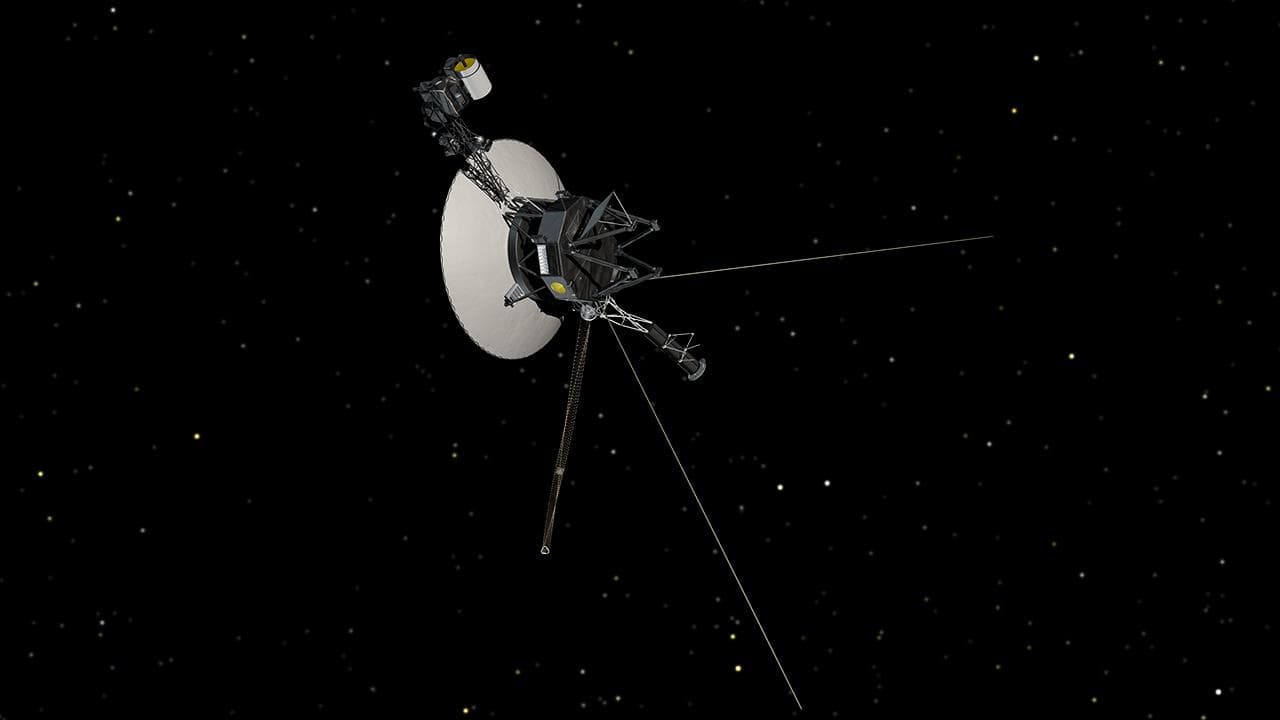
NASA's twin Voyager probes launched in 1977, toured the outer planets, and now return data from interstellar space more than 21 billion kilometers away.