Falcon 9 vs Electron
Electron carries 300 kg to low Earth orbit, under two percent of a Falcon 9 load, yet Rocket Lab had flown it 92 times through August 6, 2026. Small satellites can ride cheaply as Falcon 9 rideshare passengers, but a dedicated small rocket picks the exact orbit and the launch date, and that is the niche Electron owns.
Rockets22 min
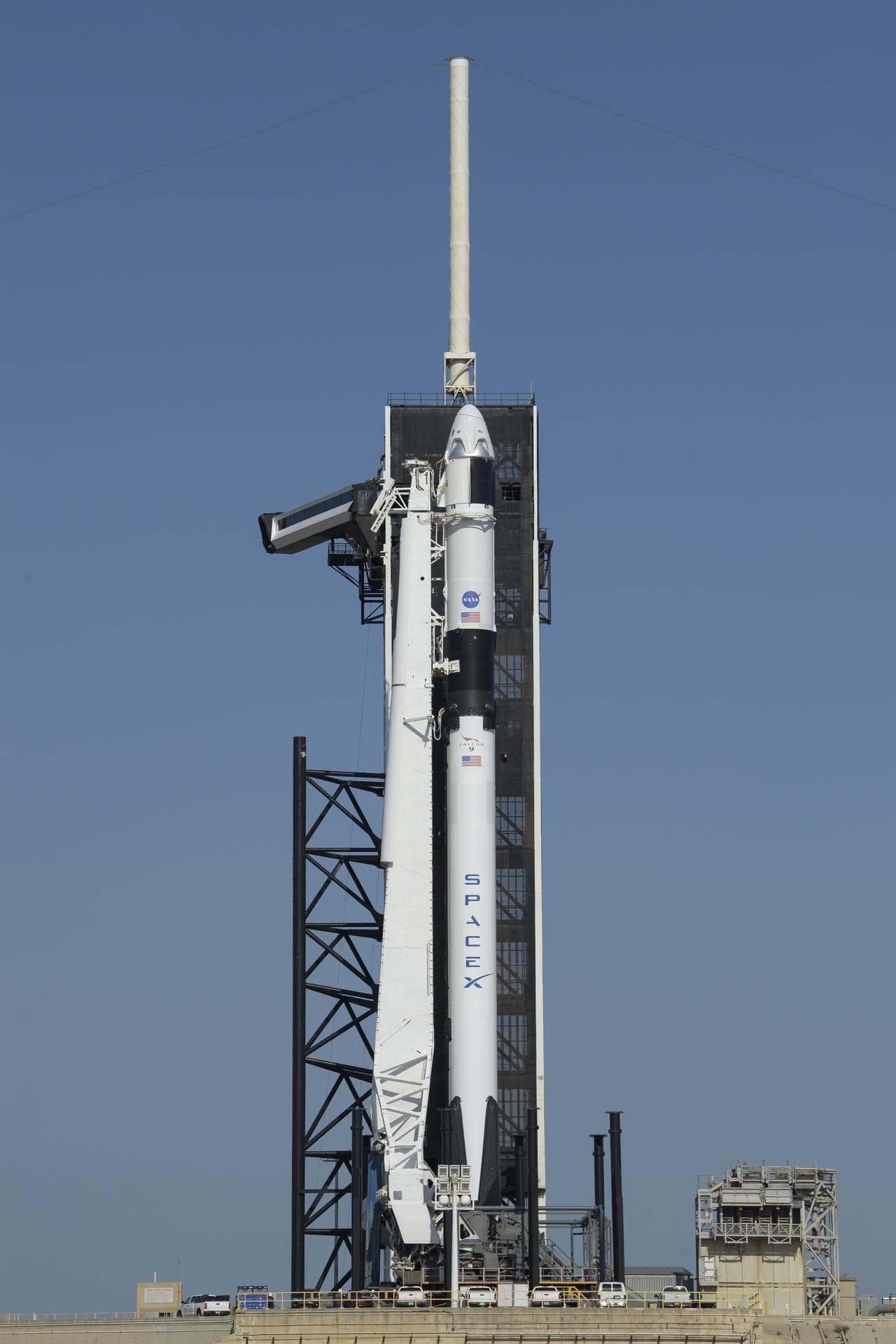
Falcon 9
Falcon 9 is SpaceX's two-stage rocket, with a reusable first stage, 676 liftoffs through August 12, 2026, and crew, science, and Starlink roles.
Rockets15 min
Electron
Electron is Rocket Lab's small-lift launcher, a carbon composite rocket with electric-pump Rutherford engines that has flown 93 times since 2017.
Key differences
- Scale: Electron stands 18 m and lifts 300 kg. Falcon 9 stands 70 m, and SpaceX's public documents give 22,000 to 22,800 kg to low Earth orbit fully expendable; recovery performance is mission-specific.
- Service model: Electron sells one customer the orbit and the schedule. Falcon 9's Transporter rideshares are far cheaper per kilogram but drop payloads where the bus is already going.
- Technology: Electron's airframe and tanks are carbon fiber composite, and its Rutherford engines, largely 3D printed, were the first electric-pump-fed rocket engines to fly.
- Price: SpaceX lists Falcon 9 at 74 million dollars through 2026, roughly ten times what an Electron mission costs. Falcon 9 lifts nearly 60 times the mass, so per kilogram delivered the big rocket is about six times cheaper.
Side-by-side specifications
| Falcon 9 | Electron | |
|---|---|---|
| Manufacturer | SpaceX | Rocket Lab |
| Country | United States | United States / New Zealand |
| First flight | June 4, 2010 | May 25, 2017 |
| Height | 70 m with standard fairing | 18 m |
| Diameter | 3.7 m | 1.2 m |
| Liftoff mass | 549,054 kg on SpaceX's vehicle page | - |
| Published LEO payload | 22,000-22,800 kg, fully expendable | - |
| Stages | 2 | 2, plus Kick Stage |
| Status | Active | Active |
| Physical liftoffs | 676 through August 12, 2026 | - |
| Successful first-stage landings | 627 through August 12, 2026 | - |
| Mass | - | 13,000 kg |
| Payload to LEO | - | 300 kg |
| Total launches | - | 93 (as of August 21, 2026, including 9 HASTE) |
Figures come from each article's infobox; see the articles for sources and context.
Sources
- Electron Payload User Guide, version 8.0 - Rocket Lab
- Rocket Lab completes 92nd Electron mission - Rocket Lab
- Rocket Lab launches 8th iQPS satellite - SpaceNews
- Rocket Lab celebrates 100th Rutherford engine build - SpaceNews
- Falcon 9 vehicle page - SpaceX
- Falcon Payload User's Guide - SpaceX
- Capabilities and Services price sheet - SpaceX