Falcon 9 vs Soyuz
The Soyuz family, descended from the world's first ICBM, has launched more often than any other rocket line and carried every crew to the Soviet stations and many to the ISS. Falcon 9 now flies at a rate Soyuz never approached: SpaceX launched 165 Falcon missions in 2025, the year Russia flew 13 Soyuz-2 rockets.
Rockets22 min
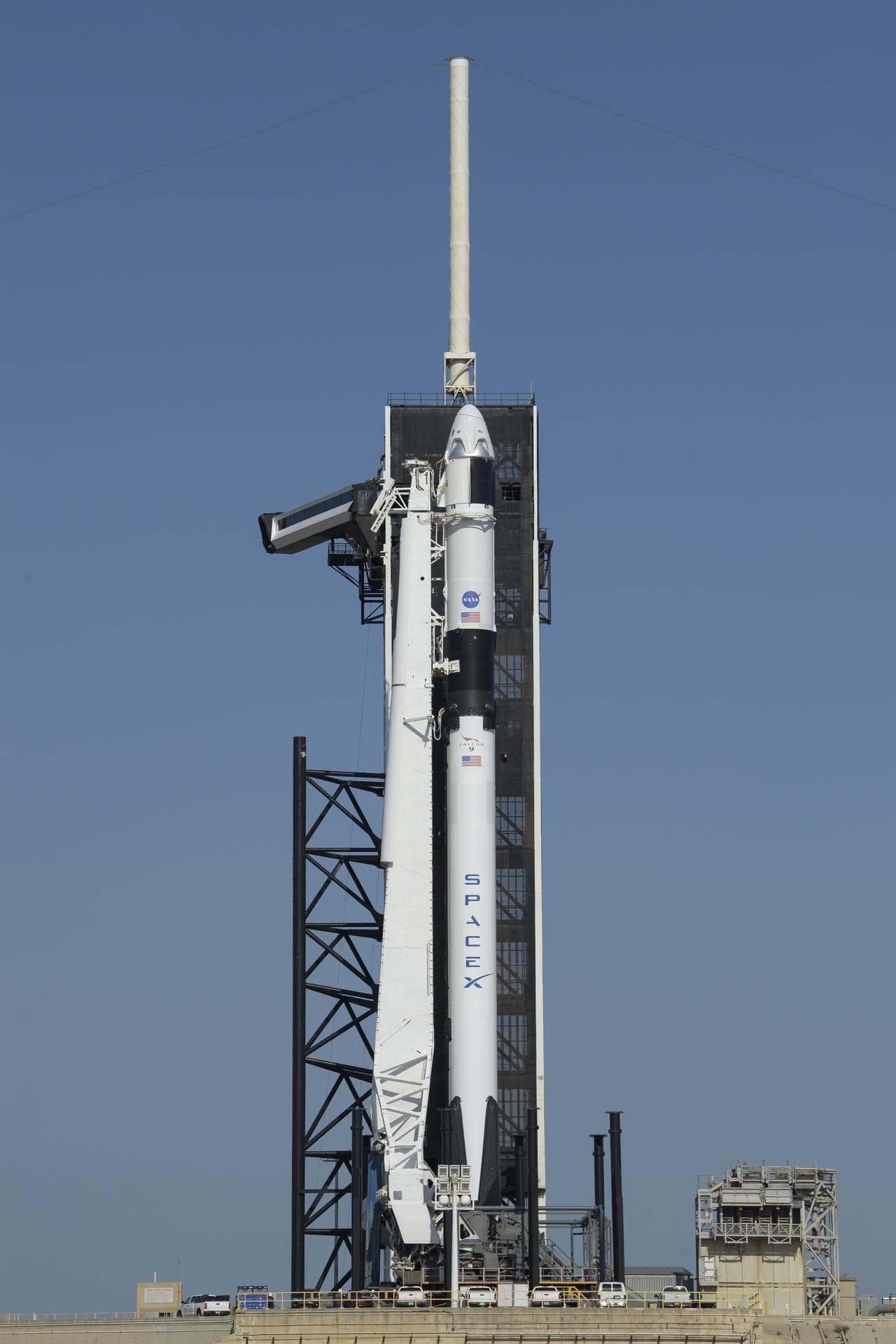
Falcon 9
Falcon 9 is SpaceX's two-stage rocket, with a reusable first stage, 676 liftoffs through August 12, 2026, and crew, science, and Starlink roles.
Rockets10 min
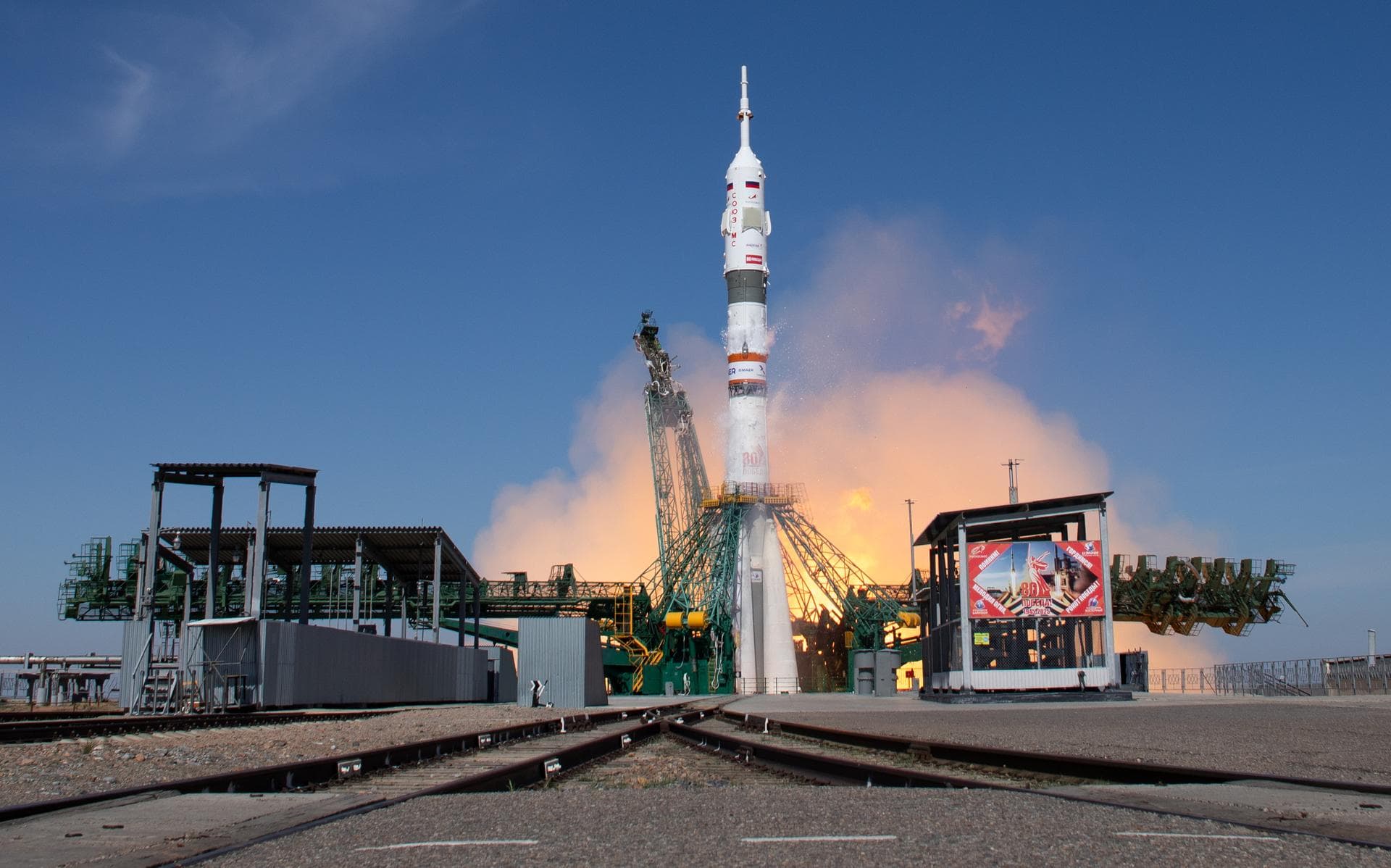
Soyuz
Soyuz is the R-7-derived Russian rocket family that launches Soyuz crew spacecraft, Progress cargo ships, and satellites from three cosmodromes.
Key differences
- Lineage: Soyuz traces to the R-7 of 1957 and has flown more than 1,700 times, within a wider R-7 lineage of more than 2,000 orbital launches. Falcon 9 debuted in 2010 and made its 676th physical liftoff on August 12, 2026.
- Reusability: every Soyuz is expendable. Falcon 9 boosters routinely fly dozens of missions each, with the fleet leader at 36 flights.
- Crew role: Soyuz is still Russia's only crew vehicle and carries a NASA astronaut on each flight under a no-money seat barter that runs alongside cosmonaut seats on Crew Dragon. Crew Dragon on Falcon 9 has been NASA's primary ride to the International Space Station since 2020.
- Payload: Falcon 9 lifts about two and a half times as much to low Earth orbit, 22,000 kg expendable against 8,670 kg for a Soyuz-2.1b from Baikonur.
Side-by-side specifications
| Falcon 9 | Soyuz | |
|---|---|---|
| Manufacturer | SpaceX | Progress Rocket Space Centre (Roscosmos) |
| Country | United States | Soviet Union / Russia |
| First flight | June 4, 2010 | - |
| Height | 70 m with standard fairing | - |
| Diameter | 3.7 m | - |
| Liftoff mass | 549,054 kg on SpaceX's vehicle page | - |
| Published LEO payload | 22,000-22,800 kg, fully expendable | - |
| Stages | 2 | - |
| Status | Active | Active |
| Physical liftoffs | 676 through August 12, 2026 | - |
| Successful first-stage landings | 627 through August 12, 2026 | - |
| Lineage | - | R-7 |
| First Soyuz flight | - | November 28, 1966 |
| Active versions | - | Soyuz-2.1a and Soyuz-2.1b |
| Maximum length | - | 46 m (Soyuz-2) |
| Payload to LEO | - | 8,200 kg (2.1b, Baikonur, 200 km orbit) |
| Main stages | - | 3; optional Fregat or Volga upper stage |
| Propellants | - | Kerosene and liquid oxygen |
Figures come from each article's infobox; see the articles for sources and context.
Sources
- Soyuz rocket family - Wikipedia
- Soyuz-2 - Wikipedia
- Space Activities in 2025 - Jonathan McDowell, planet4589.org
- Falcon 9 launch catalog - Jonathan McDowell, GCAT
- NASA extends seat barter agreement with Roscosmos - SpaceNews
- NASA and SpaceX complete crew system certification - NASA
- Falcon 9 booster flies record 36th mission - Spaceflight Now
- Falcon 9 vehicle page - SpaceX