Falcon 9 vs Starship
Falcon 9 is the most-flown American rocket in history and SpaceX's operational launch workhorse. SpaceX intends Starship to assume many of its roles, trading a proven partially reusable design for full reuse and several times the payload, but Starship has not demonstrated that transition.
Rockets22 min
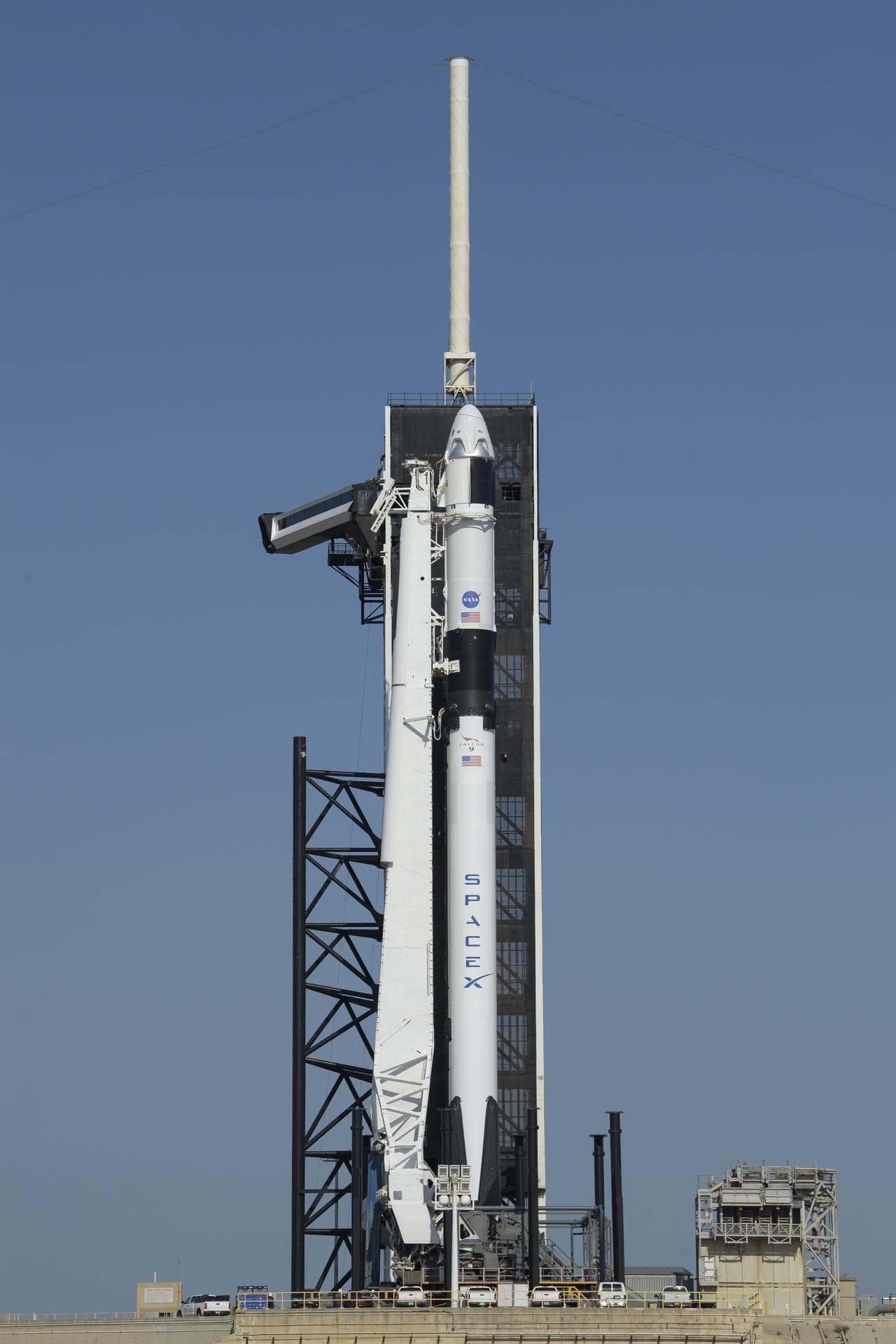
Falcon 9
Falcon 9 is SpaceX's two-stage rocket, with a reusable first stage, 676 liftoffs through August 12, 2026, and crew, science, and Starlink roles.
Rockets21 min
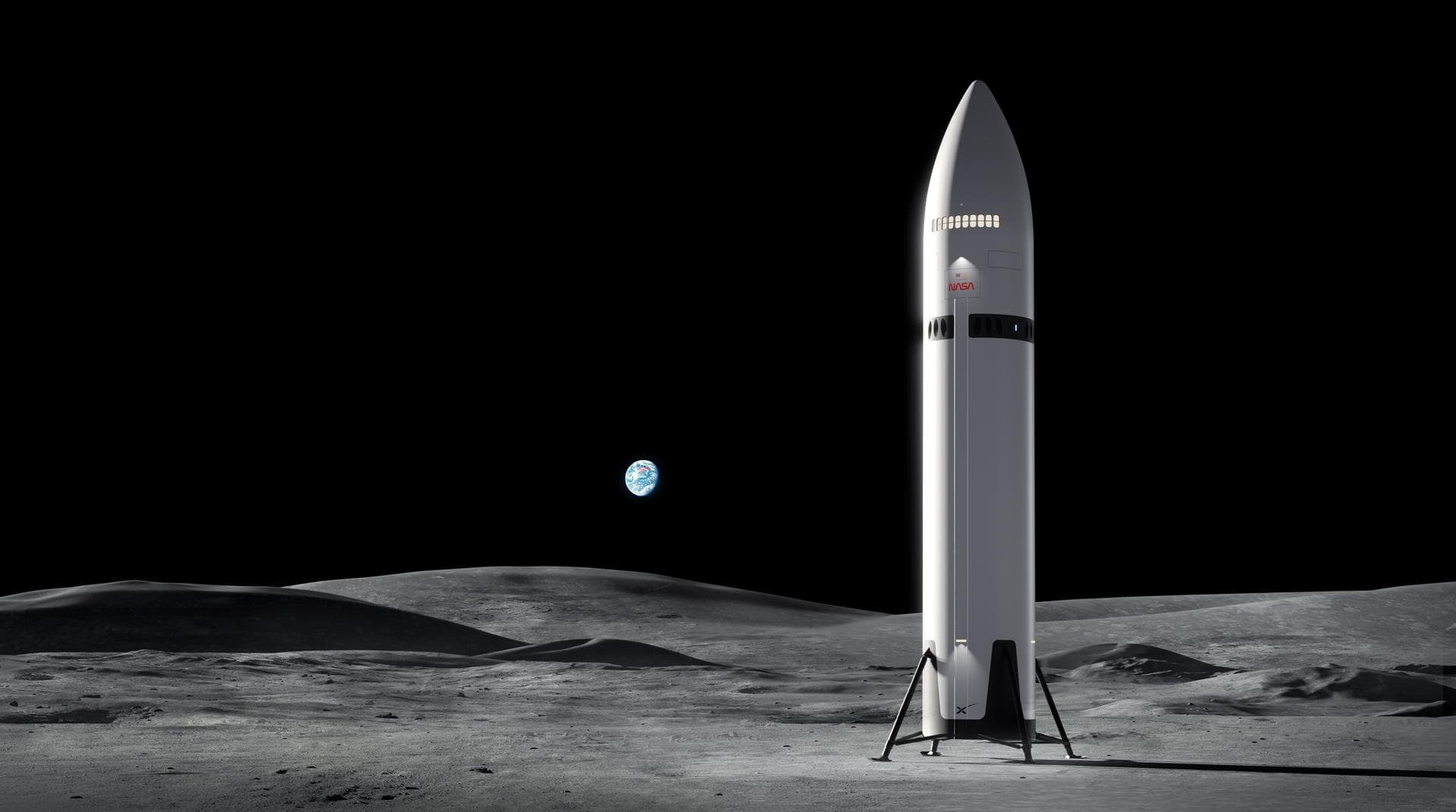
Starship
Starship is SpaceX's super heavy-lift rocket in flight testing, designed for full reuse, orbital refueling, Starlink launches, and lunar missions.
Key differences
- Status: Falcon 9 had made 676 physical liftoffs through August 12, 2026: 673 full primary-mission successes, one partial success, and two primary-mission failures. Starship has flown 13 test flights since 2023, all suborbital, with the first orbital attempt targeted for late August 2026.
- Reuse depth: Falcon 9 reuses its first stage and both fairing halves, and one booster reached a record 36 flights on July 9, 2026. Starship is designed to recover and refly its own upper stage as well, which it has not yet done.
- Payload class: SpaceX's public documents give 22,000 to 22,800 kg to low Earth orbit for a fully expendable Falcon 9 and direct customers to request mission-specific performance when the booster returns. Starship targets more than 100 tonnes fully reusable, a number it has yet to demonstrate.
- Transition: the heavier Starlink V3 satellites are designed to launch only on Starship, and the first 20 flew on Flight 13 in July 2026. SpaceX's own constellation is the anchor customer forcing the handover, and company executives have described 2025 and 2026 as Falcon's peak.
Side-by-side specifications
| Falcon 9 | Starship | |
|---|---|---|
| Manufacturer | SpaceX | SpaceX |
| Country | United States | United States |
| First flight | June 4, 2010 | - |
| Height | 70 m with standard fairing | 124.4 m (V3); about 121 m (V1); 123 m (V2) |
| Diameter | 3.7 m | 9 m |
| Liftoff mass | 549,054 kg on SpaceX's vehicle page | - |
| Published LEO payload | 22,000-22,800 kg, fully expendable | - |
| Stages | 2 | 2 (Super Heavy booster and Starship upper stage) |
| Status | Active | Flight testing; 13 integrated suborbital tests as of August 13, 2026 |
| Physical liftoffs | 676 through August 12, 2026 | - |
| Successful first-stage landings | 627 through August 12, 2026 | - |
| First integrated flight | - | April 20, 2023 |
| Current version | - | Version 3 (V3) |
| Engines | - | 33 booster and 6 ship Raptor engines (V3) |
| Propellants | - | Liquid oxygen and liquid methane |
| Payload to LEO | - | 100+ metric tonnes (V3 design target, not demonstrated) |
| Operational launch site | - | Starbase, Texas |
Figures come from each article's infobox; see the articles for sources and context.
Sources
- Falcon 9 launch catalog - Jonathan McDowell, GCAT
- Falcon 9 vehicle page - SpaceX
- Falcon 9 booster flies record 36th mission - Spaceflight Now
- Starship vehicle page - SpaceX
- Starship Flight 13 test flight report - Spaceflight Now
- Starlink Version 3 satellites - Starlink
- SpaceX targets late August for next Starship flight - Space.com
- Gwynne Shotwell interview - TIME