Vulcan Centaur vs Falcon 9
Vulcan Centaur replaced Atlas V and Delta IV to keep United Launch Alliance competitive for US national security launches, a market where reliability and unusual orbits count for more than price. It buys its BE-4 engines from Blue Origin and pairs them with the long-lived Centaur upper stage.
Rockets13 min
Vulcan Centaur
Vulcan Centaur is ULA's successor to Atlas V and Delta IV, flown since January 2024 with Blue Origin BE-4 engines and the Centaur V upper stage.
Rockets22 min
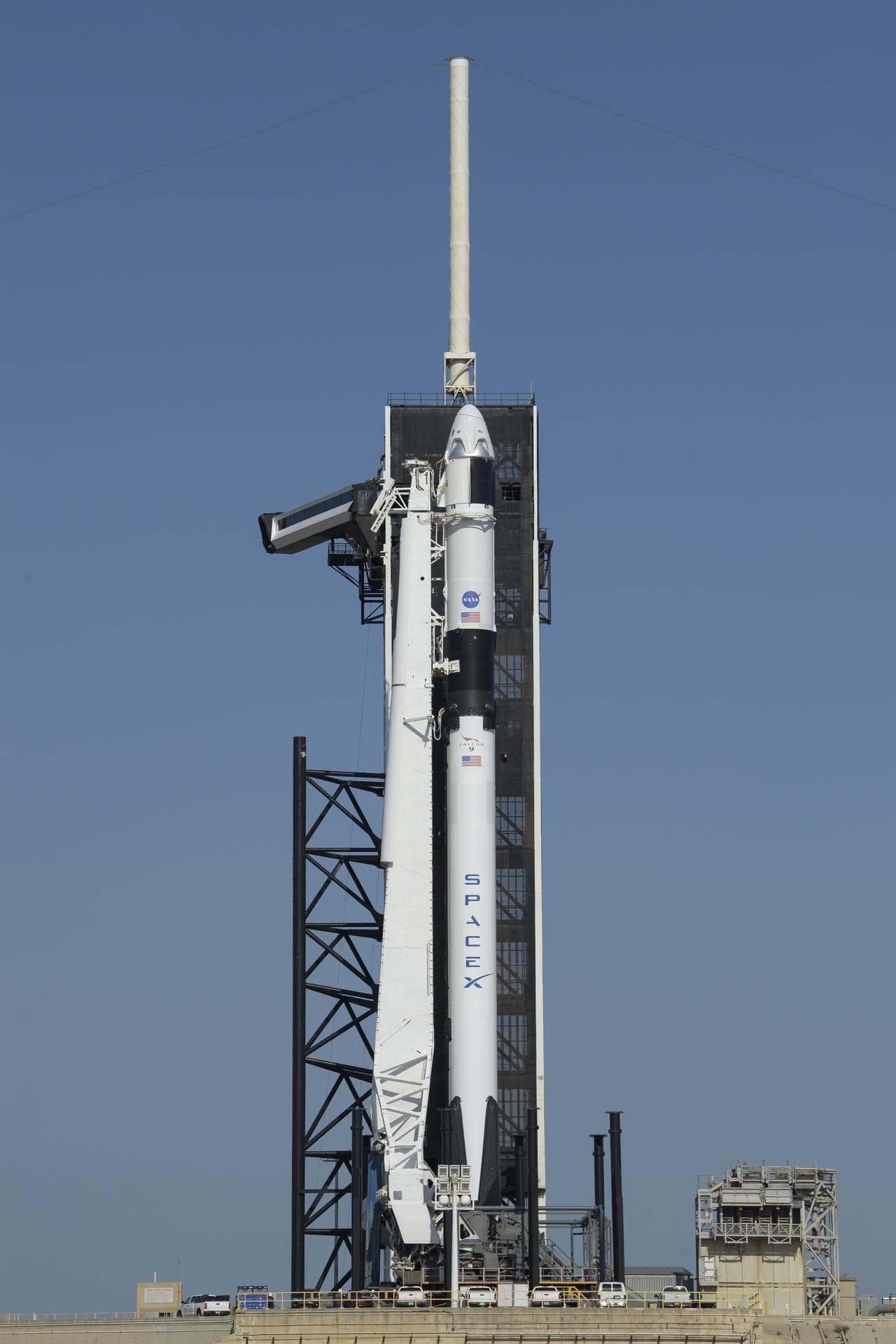
Falcon 9
Falcon 9 is SpaceX's two-stage rocket, with a reusable first stage, 676 liftoffs through August 12, 2026, and crew, science, and Starlink roles.
Key differences
- Reuse: Vulcan is expendable, and ULA's SMART concept for parachuting the engine section back has stayed on paper. Falcon 9 reuses boosters as standard.
- Specialty: the Centaur V upper stage is built for long coasts and direct injection to geosynchronous orbit, the national security profiles Falcon 9 usually flies with an expendable core.
- Flight record: Vulcan has flown four times since January 2024 and delivered every payload, but two of those flights suffered solid booster nozzle failures. After the second, on USSF-87 in February 2026, the Space Force paused Vulcan national security missions; the rocket had not flown again as of early August 2026, with a first Amazon Leo launch targeted for September. Falcon 9 reached its 90th launch of 2026 on August 4.
- Engines: Vulcan burns liquefied natural gas in two BE-4s and adds up to six solid boosters; Falcon 9 uses nine kerosene Merlins and no solids.
Side-by-side specifications
| Vulcan Centaur | Falcon 9 | |
|---|---|---|
| Manufacturer | United Launch Alliance | SpaceX |
| Country | United States | United States |
| First flight | January 8, 2024 | June 4, 2010 |
| Height | 61.6 m | 70 m with standard fairing |
| Diameter | 5.4 m | 3.7 m |
| Mass | Up to 546,700 kg (VC6) | - |
| Payload to LEO | 27,200 kg (VC6) | - |
| Stages | 2, plus 0-6 solid boosters | 2 |
| Status | Active (grounded since February 2026) | Active |
| Total launches | 4 (as of August 2026) | - |
| Liftoff mass | - | 549,054 kg on SpaceX's vehicle page |
| Published LEO payload | - | 22,000-22,800 kg, fully expendable |
| Physical liftoffs | - | 676 through August 12, 2026 |
| Successful first-stage landings | - | 627 through August 12, 2026 |
Figures come from each article's infobox; see the articles for sources and context.
Sources
- Vulcan Centaur vehicle page - United Launch Alliance
- Vulcan suffers solid rocket booster problem on USSF-87 - Spaceflight Now
- Space Force pauses Vulcan missions - Air and Space Forces Magazine
- Manufacturing defect blamed for Vulcan booster anomaly - SpaceNews
- ULA deals with financial challenges from Vulcan grounding - SpaceNews
- New Centaur V version readies for Amazon Leo - United Launch Alliance
- Falcon 9 launch catalog - Jonathan McDowell, GCAT
- Falcon 9 vehicle page - SpaceX