Zhuque-3 vs Falcon 9
Zhuque-3 is the closest thing flying to a Chinese Falcon 9: a two-stage rocket with a nine-engine first stage that lands on legs and is meant to fly again. The difference is a decade of operations. LandSpace landed its first booster on August 19, 2026; SpaceX, which managed the feat in December 2015, had recorded 627 successful landings by that point and flies single boosters dozens of times.
Zhuque-3
Zhuque-3 is LandSpace's reusable stainless steel methalox rocket. Its second flight in August 2026 made China's first orbital booster landing on legs.
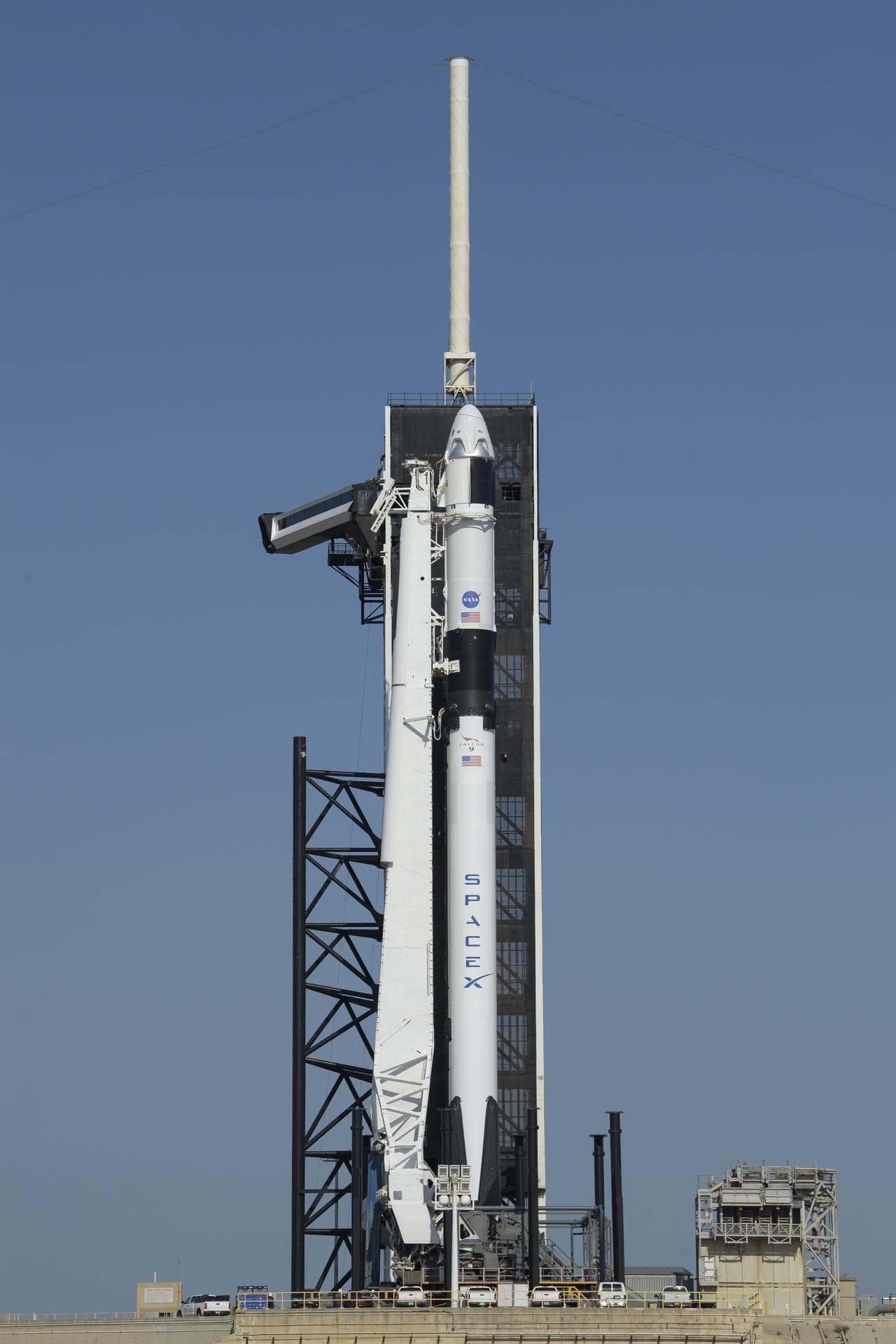
Falcon 9
Falcon 9 is SpaceX's two-stage rocket, with a reusable first stage, 676 liftoffs through August 12, 2026, and crew, science, and Starlink roles.
Key differences
- Track record: Falcon 9 had made 676 physical liftoffs through August 12, 2026, with 627 successful first-stage landings and one booster at a record 36 flights. Zhuque-3 has flown twice: its December 2025 debut reached orbit but lost the booster to unstable combustion in the landing burn, and the August 19, 2026 flight brought the stage down intact.
- Materials and propellants: Zhuque-3 is built from stainless steel, the material SpaceX chose for Starship rather than Falcon 9, and its nine TQ-12A engines burn methane. LandSpace argues the steel is cheaper to build with and tolerates reentry heating better than the aluminum-lithium alloys of Falcon 9, whose nine Merlin engines burn kerosene.
- Payload: the Zhuque-3 version flying in 2026 carries 14,200 kg to low Earth orbit expended and about 8,000 kg with a downrange landing; LandSpace's design figures of up to 21,300 kg depend on the stretched, re-engined Zhuque-3E. SpaceX's public documents give 22,000 to 22,800 kg for a fully expendable Falcon 9, with recovery performance quoted per mission.
- Recovery and reuse: Falcon 9 boosters return to coastal landing zones or drone ships, and 593 missions through August 12, 2026 flew on previously used stages. Zhuque-3 sets its stage down on desert ground in Minqin County, Gansu, about 390 kilometers downrange, the geometry of a drone-ship landing without the ship. LandSpace aims to refly the recovered booster within six months, which would close its first launch, recovery, and relaunch cycle; each stage is designed for up to 20 flights.
Side-by-side specifications
| Zhuque-3 | Falcon 9 | |
|---|---|---|
| Manufacturer | LandSpace | SpaceX |
| Country | China | United States |
| First flight | December 3, 2025 | June 4, 2010 |
| Height | 66.1 m | 70 m with standard fairing |
| Diameter | 4.5 m | 3.7 m |
| Payload to LEO | 14,200 kg (expendable, current version) | - |
| Stages | 2 | 2 |
| Status | Active | Active |
| Total launches | 2 | - |
| Liftoff mass | - | 549,054 kg on SpaceX's vehicle page |
| Published LEO payload | - | 22,000-22,800 kg, fully expendable |
| Physical liftoffs | - | 676 through August 12, 2026 |
| Successful first-stage landings | - | 627 through August 12, 2026 |
Figures come from each article's infobox; see the articles for sources and context.
Sources
- China launches Zhuque-3, achieving its first rocket recovery on land - Xinhua
- China's Landspace recovers booster with second orbital launch of Zhuque-3 rocket - SpaceNews
- LandSpace becomes first commercial Chinese company to land an orbital-class booster - Spaceflight Now
- Zhuque-3 completes second flight with successful first-stage landing - NASASpaceflight
- China successfully lands its Zhuque-3 rocket, rivaling Blue Origin and SpaceX - Scientific American
- Landspace aims to refly recovered Zhuque-3 booster within six months - SpaceNews
- Falcon 9 launch catalog - Jonathan McDowell, GCAT
- Falcon 9 vehicle page - SpaceX
- Falcon 9 booster flies record 36th mission - Spaceflight Now