New Glenn vs Starship
Blue Origin and SpaceX both bet on large reusable rockets, but they took different risks. New Glenn pairs a recoverable booster with a conventional expendable upper stage and reached orbit on its first attempt; Starship chases full reuse and is working through failures on the way. Both programs lost hardware in 2026.
The two articles
Rockets15 min
New Glenn
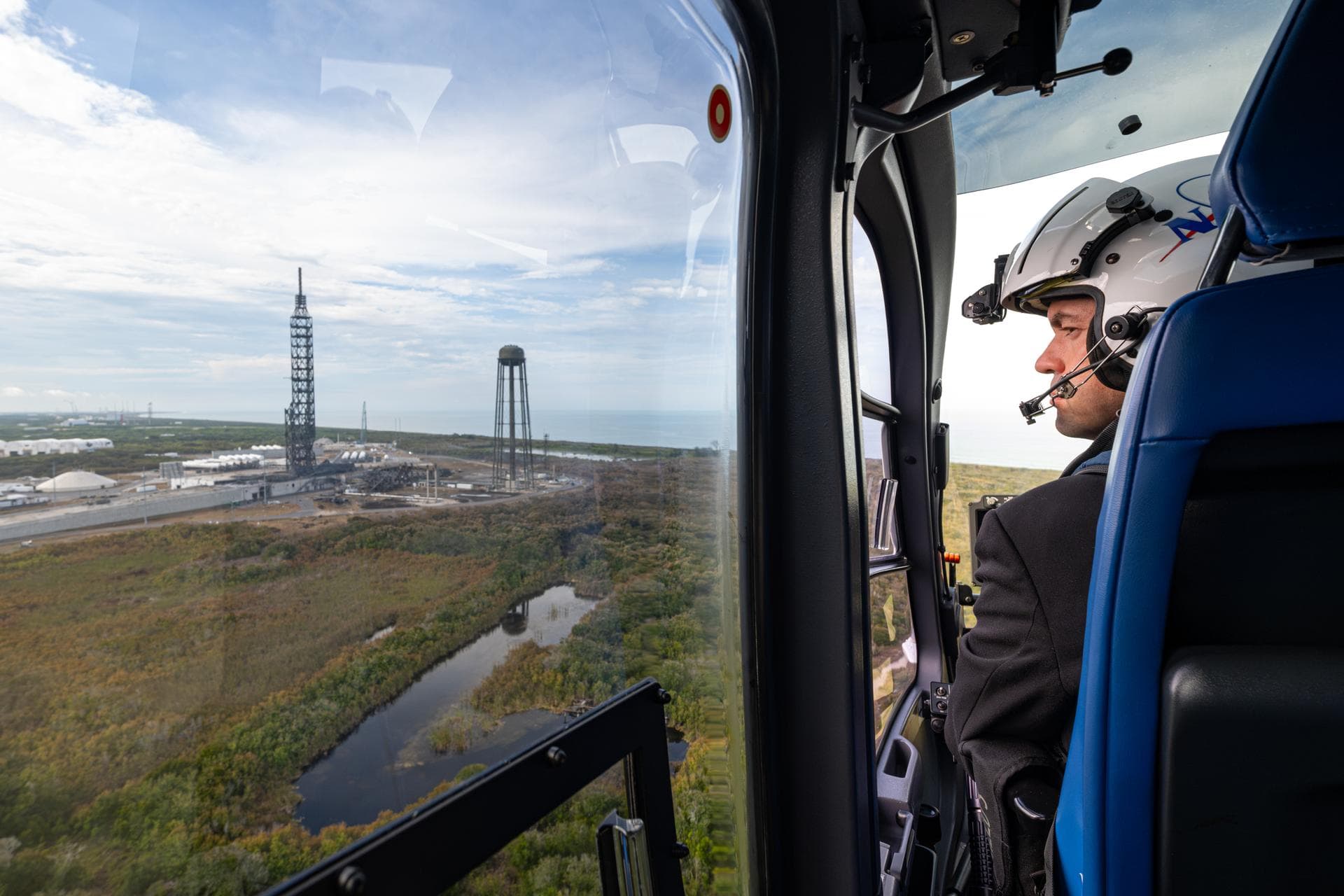
New Glenn is Blue Origin's reusable heavy-lift rocket. It has flown three times and is grounded after a May 2026 static-fire explosion damaged LC-36.
Rockets30 min
Starship
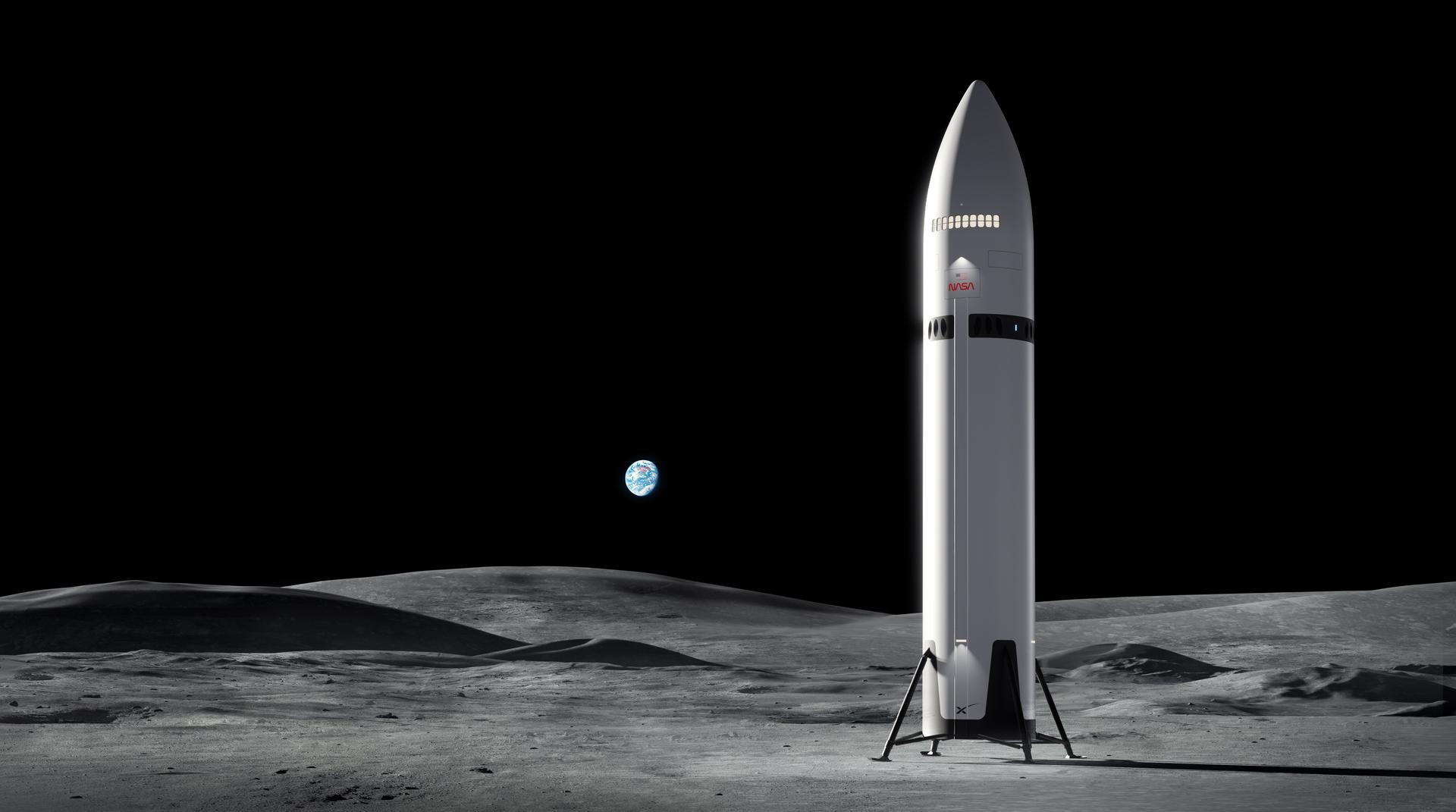
Starship is SpaceX's super heavy-lift rocket in flight testing, designed for full reuse, orbital refueling, Starlink launches, and lunar missions.
Key differences
- Reuse ambition: New Glenn recovers its first stage only, and its hydrogen upper stage is expendable, though Blue Origin has studied a recoverable version. Starship intends to bring back both stages, which no launch vehicle has done.
- Reaching orbit: New Glenn made orbit on its debut on January 16, 2025. Starship flew 13 suborbital test flights before reaching orbit on its 14th, on September 28, 2026.
- Scale: Starship V3 stands 124.4 m to New Glenn's 98 m and targets more than twice the payload, over 100 tonnes to low Earth orbit against 45 tonnes.
- 2026 setbacks: a static fire explosion on May 28, 2026 destroyed New Glenn's fourth vehicle and damaged Launch Complex 36, and the rocket has not flown since; Jeff Bezos said on October 7 that it would return in December, but a launch window the company filed in early November opens on January 15, 2027. Starship's first two V3 boosters reached the water but were destroyed in hard impacts after return-engine problems, while both upper stages made controlled splashdowns. On Flight 14 an engine shut down early on each stage; the booster still made a controlled splashdown, but controllers ended the ship's planned six-orbit mission after about two orbits. On Flight 15 in November the booster was lost at splashdown after an automated abort, while the ship was caught at the tower.
Side-by-side specifications
| New Glenn | Starship | |
|---|---|---|
| Manufacturer | Blue Origin | SpaceX |
| Country | United States | United States |
| First flight | January 16, 2025 | - |
| Height | 98 m | 124.4 m (V3); about 121 m (V1); 123 m (V2) |
| Diameter | 7 m | 9 m |
| Payload to LEO | 45,000 kg | 100+ metric tonnes (V3 design target, not demonstrated) |
| Stages | 2 | 2 (Super Heavy booster and Starship upper stage) |
| Status | Grounded after May 2026 pad accident; launch window filed from January 15, 2027 | Flight testing; 15 integrated tests, first orbital flight on September 28, 2026, first ship catch on November 14, 2026 |
| Total launches | 3 | - |
| First integrated flight | - | April 20, 2023 |
| Current version | - | Version 3 (V3) |
| Engines | - | 33 booster and 6 ship Raptor engines (V3) |
| Propellants | - | Liquid oxygen and liquid methane |
| Operational launch site | - | Starbase, Texas |
Figures come from each article's infobox; see the articles for sources and context.
Sources
- New Glenn NG-1 reaches orbit - Blue Origin
- New Glenn reaches orbit on first launch - SpaceNews
- Starship vehicle page - SpaceX
- SpaceX launches Starship V3 for the first time - Space.com
- New Glenn explodes during prelaunch testing - Spaceflight Now
- Bezos says Blue Origin likely to pursue IPO in coming years - Reuters
- Starship Flight 13 test flight report - Spaceflight Now
- Starship returns to Earth; rocket splashes down north of Hawaii after three-hour flight - Spaceflight Now
- Starship reaches orbit on 14th test flight - Astronomy
- Blue Origin announces New Glenn upgrade plans - SpaceNews
- ULA delays to Sunday Vulcan rocket launch of 40 Leo satellites for Amazon (New Glenn launch window filing) - Spaceflight Now
- Starship in orbit ahead of catch attempt, booster diverts to explosive splashdown - Spaceflight Now
- SpaceX catches a Starship - SpacePolicyOnline