Apollo vs Artemis
Apollo was a Cold War sprint: land first, whatever the cost. Artemis is built to stay, with commercial landers, international partners, and the water ice of the lunar south pole as the draw. The contrast shows up in nearly every architectural choice.
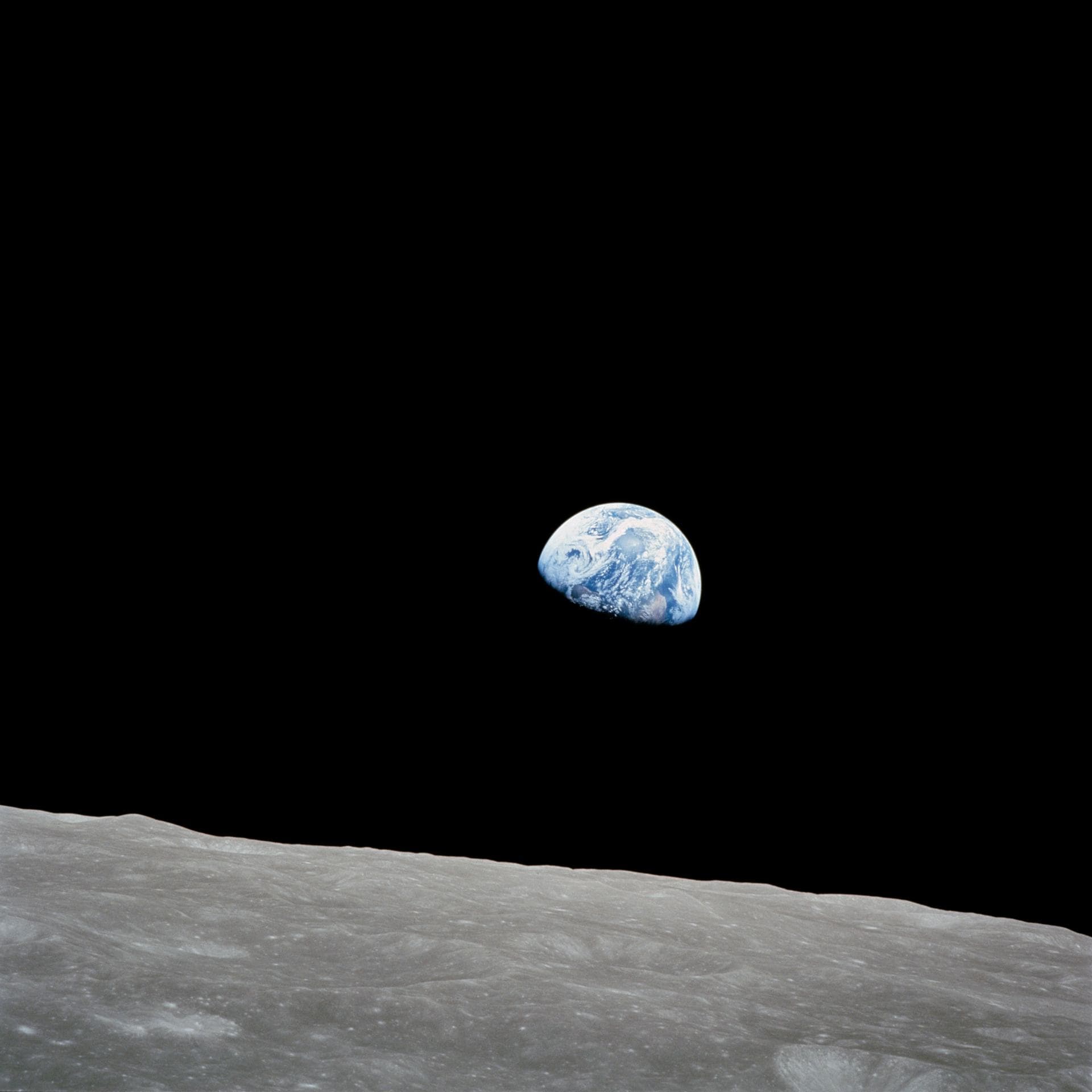
Missions19 min
Apollo program
NASA's Apollo program landed 12 astronauts on the Moon across six missions from 1969 to 1972, returning 382 kg of lunar samples at a cost of $25.8 billion.
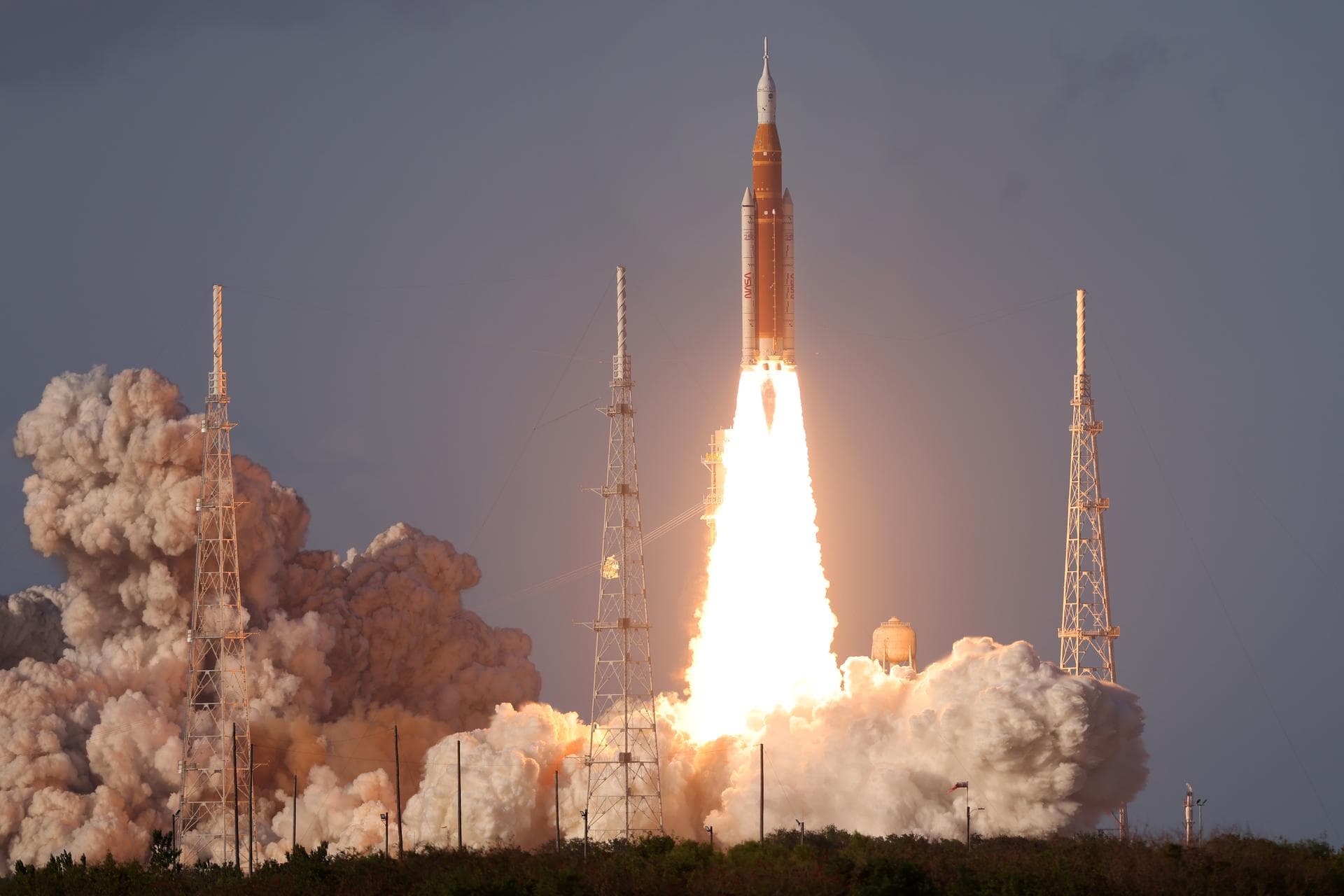
Missions17 min
Artemis Program
Artemis is NASA's Moon-to-Mars campaign. Artemis II flew around the Moon in 2026; Artemis III will test landers before a planned 2028 landing.
Key differences
- Goal: Apollo aimed to beat the Soviet Union to the surface. Artemis aims at a sustained presence and a proving ground for Mars, and its Artemis Accords had 70 signatory nations by July 2026.
- Architecture: Apollo flew everything on one Saturn V. Artemis splits the job between the Space Launch System with Orion for crew transport and commercial landers, Starship HLS and Blue Moon, for the surface. Those landers need orbital propellant transfer, which has not been demonstrated.
- Destination: Apollo landed near the equator in daylight. Artemis targets the south pole, where permanently shadowed craters hold water ice; NASA paused the Gateway lunar station in March 2026 and redirected the program toward a surface base there.
- Pace and budget: NASA's budget reached about 4.4 percent of all federal spending in 1966, and Apollo put 12 people on the Moon in the 41 months from July 1969 to December 1972. Artemis has flown twice since 2022, Artemis III in 2027 is now an Earth-orbit docking test rather than a landing, and the first crewed landing is planned for Artemis IV in 2028.
Side-by-side specifications
| Apollo program | Artemis Program | |
|---|---|---|
| Operator | NASA | NASA with commercial and international partners |
| Program duration | 1961-1972 | - |
| Launch vehicles | Saturn V, Saturn IB | - |
| Mission mode | Lunar orbit rendezvous | - |
| First crewed flight | Apollo 7, October 11, 1968 | - |
| Crewed missions | 11 (Apollo 7 to Apollo 17) | - |
| First lunar landing | Apollo 11, July 20, 1969 | - |
| Crewed lunar landings | 6 | - |
| Moonwalkers | 12 | - |
| Samples returned | 382 kg (842 lb) | - |
| Cost | $25.8 billion (1960-1973), about $309 billion in 2025 dollars | - |
| Program established | - | 2017; named Artemis in 2019 |
| Primary objective | - | Sustained human and robotic exploration of the Moon |
| Crew spacecraft | - | Orion |
| Launch vehicle | - | Space Launch System |
| Commercial landers | - | Starship HLS and Blue Moon |
| Completed missions | - | Artemis I and Artemis II |
| Next mission | - | Artemis III, targeted for 2027 |
Figures come from each article's infobox; see the articles for sources and context.
Sources
- How much did the Apollo program cost? - The Planetary Society
- Apollo by the Numbers, SP-2000-4029 - NASA History Division
- Moon Walkers - NASA Science
- Mauritius signs Artemis Accords as 70th nation - NASA
- NASA strengthens Artemis, adds mission, refines architecture - NASA
- NASA outlines preliminary Artemis III mission plans - NASA
- NASA halts work on Gateway to develop a lunar base - SpaceNews
- How the Artemis III lander test will pave the way for Moon landings - NASA